

Decorating Ideas for Small Studio Apartments
Decorating ideas for small studio apartments work best when every piece earns its place. A studio is a single open room where sleeping, living, dining, and sometimes working all happen at once. The most effective approach treats that constraint as a design challenge, not a limitation. Multifunctional furniture, intentional zoning, and a cohesive color palette of 3–5 complementary colors are the three pillars that professional designers return to again and again. Get those right, and a 400-square-foot space can feel twice its size.
1. Decorating ideas for small studio apartments: start with multifunctional furniture
Every piece of furniture in a studio should serve at least two purposes. A sofa that converts to a bed, an ottoman with interior storage, or a dining table that folds against the wall all do double duty without doubling the footprint. This “hardworking piece” philosophy is the single fastest way to reclaim floor space.
When selecting multifunctional pieces, prioritize quality over quantity:
- Sofa beds and daybeds replace a dedicated bed frame and a separate sofa in one unit.
- Storage ottomans act as a coffee table, extra seating, and a place to stow blankets or cables.
- Lift-top coffee tables provide a work surface and hidden storage simultaneously.
- Nesting tables stack away when not in use and spread out for entertaining.
- Benches with storage at the foot of a bed replace a dresser drawer for linens.
Pro Tip: Choose one or two larger statement pieces rather than filling the room with many small items. Fewer, bigger pieces create intentional design and visual openness. A Noble Abode retro luxury sofa bed is a strong example of a single piece that anchors a studio layout.
2. Creating distinct zones for better function and comfort
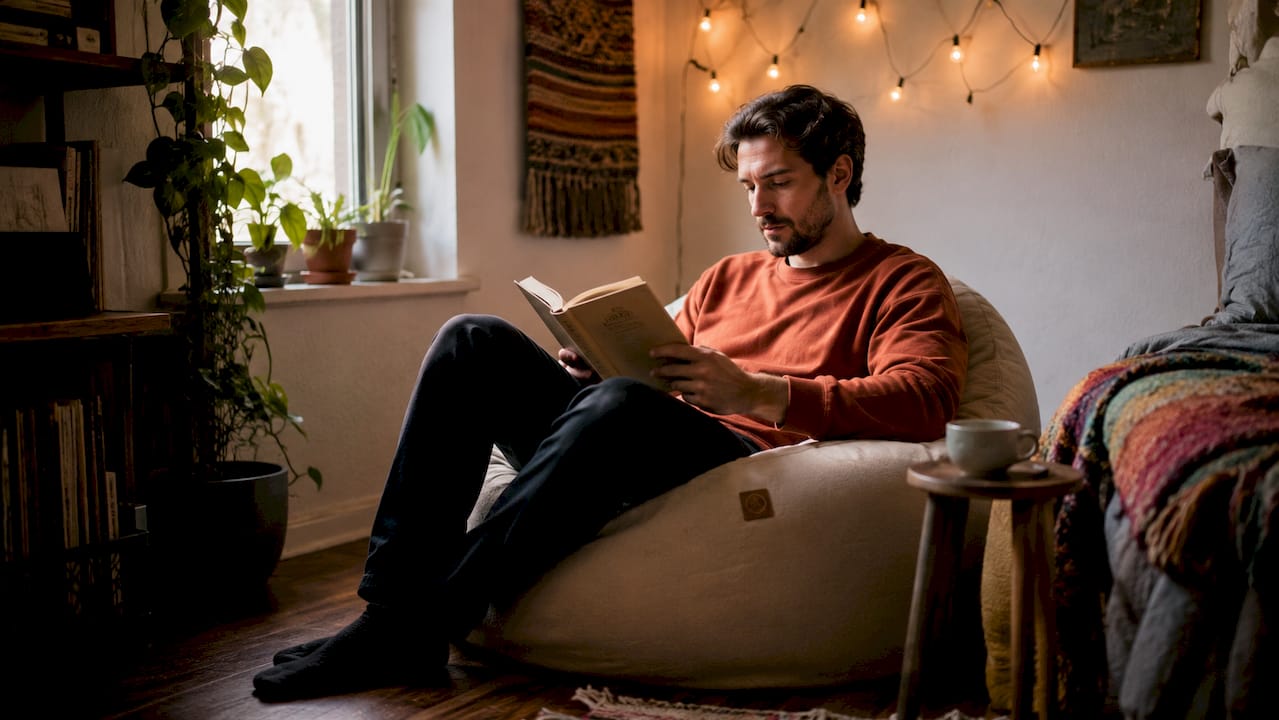
Zoning a studio means creating distinct areas for sleeping, living, working, and dining within one open room. Without zones, the space feels undefined and mentally exhausting to live in. Clear zones give your brain permission to shift modes, which matters more in a small space than in a large one.
Practical zoning techniques include:
- Bookshelves as dividers. A floor-to-ceiling open shelf separates a sleeping area from a living area while adding storage. It blocks sightlines without blocking light.
- Curtains on ceiling tracks. A floor-length curtain can enclose a sleeping nook and pull back completely during the day. This is the most renter-friendly option because it requires no permanent installation.
- Area rugs. Placing a rug under a sofa and coffee table defines a living zone on a shared floor. The rug’s edge is a visual boundary that costs nothing structurally.
- Furniture placement. Turning a sofa to face away from the bed creates a psychological separation even without a physical barrier.
- Lighting zones. A pendant light over a dining table and a floor lamp beside a reading chair signal two different areas without any walls at all.
Room dividers such as shelving units or curtains provide flexible visual and functional separation that you can reconfigure as your needs change. That flexibility is the real advantage over permanent walls.
3. Color, texture, and lighting strategies that visually expand space
Light, neutral paint reflects natural light and immediately makes a small room feel larger. White, off-white, warm ivory, and soft greige are the most reliable choices for studio walls. They also serve as a neutral backdrop that makes any furniture color work.
A cohesive palette of 3–5 complementary colors prevents the visual noise that makes small spaces feel cramped. Pick one dominant neutral, one secondary accent, and one or two highlight colors for textiles and decor. Stick to that palette across every surface.
Texture is the tool most renters overlook. Varied textures like velvet cushions, woven baskets, and metallic hardware prevent a studio from feeling sterile or institutional. Texture adds depth without adding color, which keeps the palette tight while the room still feels rich.
| Strategy | Effect on perceived space |
|---|---|
| Light neutral wall paint | Reflects light, makes walls recede |
| Layered textures (velvet, linen, metal) | Adds depth without visual clutter |
| Large mirror on one wall | Doubles perceived depth of the room |
| Warm-toned lighting (2700K–3000K bulbs) | Creates intimacy and softens hard edges |
| Sheer window treatments | Maximizes natural light while maintaining privacy |
Pro Tip: Place a large mirror directly across from your main window. It reflects natural light back into the room and creates the illusion of a second window. A mood lighting layer at eye level adds warmth that overhead lighting alone cannot achieve.
4. Effective storage solutions for studio apartments
Storage in a studio works best when it goes vertical. Installing floor-to-ceiling shelves draws the eye upward and frees floor space for movement. Wall-mounted storage is the most space-efficient category available to studio renters.
Specific storage approaches that work in compact spaces:
- Floor-to-ceiling bookshelves hold books, decor, and baskets while doubling as a room divider.
- Bed frames with built-in drawers replace a separate dresser entirely.
- Over-door organizers use dead space on the back of closet and bathroom doors.
- Windowsill shelves hold plants, books, or small decor without consuming floor area.
- Corner shelving units turn awkward angles into functional display and storage space.
- Pegboards in the kitchen or office zone keep tools and supplies visible and accessible without drawer space.
A multi-function desktop storage box keeps a work surface clear in a studio where the desk sits in the living area. Clutter on a shared surface makes the entire room feel smaller, so contained storage at the desk level has an outsized visual impact.
5. Selecting decor that personalizes without cluttering
Decor in a small studio should be intentional. Every object on a shelf or wall competes for visual attention in a limited space. The goal is personality without noise.
Mixing vintage and modern decor with varied hardware and textures adds character that a purely catalog-matched room cannot achieve. A vintage ceramic vase beside a modern abstract sculpture creates a collected, personal feeling. That contrast signals that someone actually lives there and has taste.
Practical decor choices for small studios:
- One large piece of art over a sofa reads more confidently than a scattered gallery wall in a tight space. Reserve gallery walls for a single dedicated wall with enough breathing room.
- Sculptural objects like a ceramic vase or a small resin figure add visual interest at eye level without consuming surface area.
- Poufs and floor cushions provide flexible seating that stores flat when not in use.
- Plants in a single corner add life and color without spreading visual clutter across multiple surfaces.
- Candles and scented objects add sensory warmth without taking up meaningful space.
The rule for decorating tiny apartments is simple: if you cannot name why an object is there, it should not be there. Every piece should either serve a function, tell a story, or do both.
6. How to make a studio apartment feel like a home, not a room
The difference between a studio that feels like a home and one that feels like a hotel room is emotional investment. Renters often hold back on decorating because they assume temporary spaces do not deserve permanent effort. That assumption costs them years of comfort.
Removable wallpaper, peel-and-stick tiles, and tension-rod curtain systems let you make strong design statements without damaging walls or losing a security deposit. These products have improved significantly in quality and now hold up to daily use. A 2026 design guide covering current decor styles can help you identify a cohesive direction before you buy anything.
Textiles carry more emotional weight than any other category. A quality throw blanket, a layered rug, and two or three coordinated cushions transform a bare sofa into a place you actually want to sit. These are also the lowest-cost, highest-impact changes available in studio apartment styling.
7. Budget-friendly approaches to studio apartment styling
Good studio decor does not require a large budget. It requires clear priorities. Spend on the pieces you touch and use every day: the sofa, the mattress, the lighting. Save on decorative accents, which can come from thrift stores, vintage markets, or affordable online retailers.
The highest-return budget investments for small apartment decor are paint, lighting, and textiles. Paint costs under $50 for a studio and changes the entire character of the space. A single well-placed lamp costs less than a new piece of furniture and has a larger effect on atmosphere. Textiles, especially rugs, define zones and add warmth for a fraction of the cost of structural changes.
Avoid the common mistake of buying everything at once. A studio styled in phases, with each piece chosen deliberately, always looks more considered than one furnished in a single weekend shopping trip. Patience is a design tool.
Key Takeaways
The most effective approach to decorating small studio apartments combines multifunctional furniture, intentional zoning, and a tight color palette to maximize both space and livability.
| Point | Details |
|---|---|
| Multifunctional furniture first | Every piece should serve two purposes to free floor space and reduce clutter. |
| Zone your space deliberately | Use rugs, shelves, curtains, and lighting to create distinct living, sleeping, and working areas. |
| Stick to 3–5 colors | A tight palette prevents visual noise and makes a small room feel cohesive and larger. |
| Go vertical for storage | Floor-to-ceiling shelves and wall-mounted storage free floor area and draw the eye upward. |
| Invest in textiles and lighting | These two categories deliver the highest visual impact per dollar in any small studio. |
What I’ve learned from years of watching small spaces succeed or fail
The studios I’ve seen work best share one quality: restraint. Not minimalism for its own sake, but the discipline to choose fewer things and choose them well. The ones that fail almost always have the same problem: too many small objects competing for attention, no clear zones, and lighting that treats the whole room as one undifferentiated space.
The counterintuitive insight I keep coming back to is this. A larger sofa in a small room often looks better than a smaller one. A small sofa reads as timid and makes the room feel like it is waiting to be furnished. A properly scaled sofa anchors the space and signals that someone made a real decision. The same logic applies to art: one confident piece beats six small frames every time.
The other mistake I see constantly is treating the studio as a problem to solve rather than a space to inhabit. The best small apartment decor ideas come from asking “how do I want to feel here?” before asking “how do I fit everything in?” When you start with the emotional goal, the practical decisions follow more naturally. You stop buying things that fill space and start buying things that earn it.
— Stephane
Noble Abode pieces worth considering for your studio
A well-chosen decor piece does more than fill a shelf. It anchors a zone, adds texture, and signals that the space was designed with intention.

Noble Abode carries a curated range of statement pieces built for exactly this purpose. The Key Desktop Storage Decor combines organization and visual interest in one object, which is the ideal formula for a studio desk. For the living zone, the Nordic Modern Minimalist Living Room Décor delivers a clean, considered look without overwhelming a compact space. Each piece is built to last and easy to maintain, which matters when your entire home is one room.
FAQ
What is the best furniture for a small studio apartment?
Multifunctional furniture is the best choice for a studio. Pieces like sofa beds, storage ottomans, and fold-down dining tables serve two or more purposes and free up floor space.
How do you separate a sleeping area in a studio apartment?
Room dividers such as bookshelves, ceiling-track curtains, or area rugs create a visual and functional separation between a sleeping area and the rest of the studio without permanent construction.
What colors make a small studio apartment look bigger?
Light neutral colors like white, off-white, and soft greige reflect light and make walls appear to recede, which visually expands the room.
How many decor items should a studio apartment have?
There is no fixed number, but the principle is fewer, larger pieces over many small ones. Larger statement pieces create intentional design and reduce visual clutter in compact spaces.
Can renters decorate a studio apartment without damaging walls?
Yes. Removable wallpaper, peel-and-stick tiles, tension-rod curtain systems, and adhesive hooks all allow strong design statements without permanent wall damage or security deposit risk.