

Types of Home Decor Styles: Your 2026 Design Guide
Types of home decor styles are categorizations of interior aesthetics that define the look, feel, and function of living spaces. As of 2026, over 30 distinct styles are recognized by industry experts, ranging from Art Deco classics to emerging themes like Japandi and Biophilic. Each style shapes color palettes, furniture choices, textures, and the overall mood of a room. Understanding these categories gives homeowners and renters a clear starting point for expressing personality and building spaces that actually work for daily life.
What are the most popular types of home decor styles?
The ten most influential interior design styles each carry a distinct visual language and cultural origin. Knowing what separates them makes it far easier to choose, combine, or adapt them to your space.
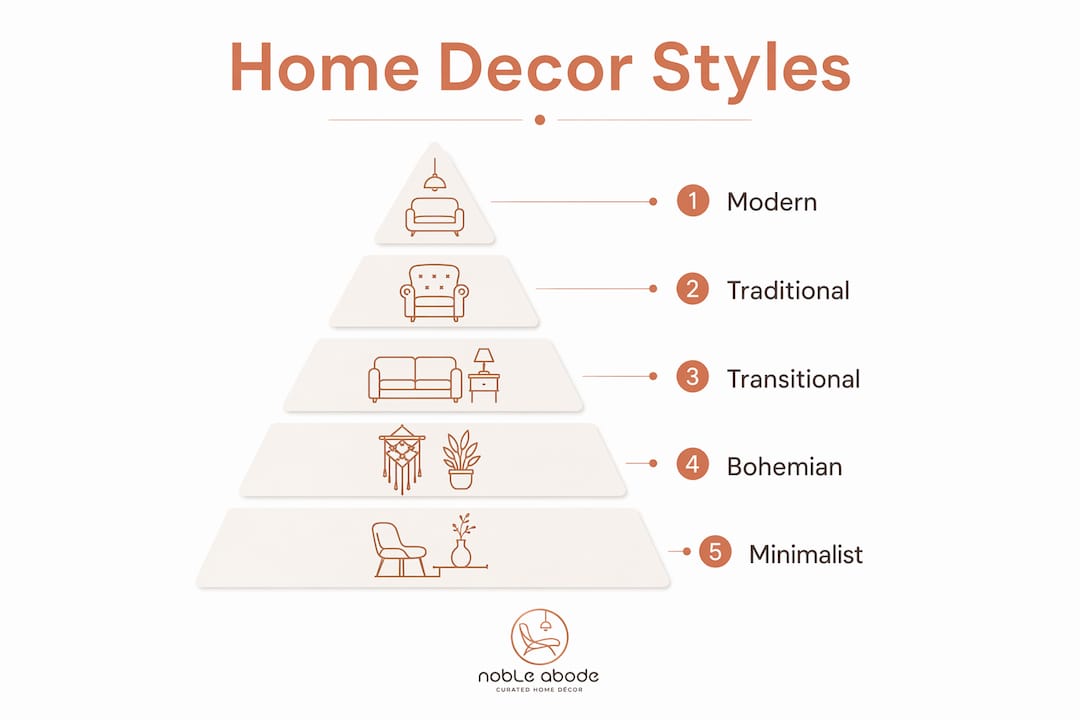
Modern
Modern style refers specifically to the early-to-mid 20th century design movement. It favors clean lines, open floor plans, and a neutral color palette anchored by black, white, and gray. Materials like steel, glass, and concrete appear frequently. Clutter is absent by design.
Traditional
Traditional interiors draw from European influences, particularly 18th and 19th century English and French design. Rich wood tones, symmetrical arrangements, and ornate details define the look. Color palettes lean toward deep greens, burgundy, and navy. This style reads as formal and layered.
Transitional
Transitional style sits between Modern and Traditional. It blends the clean structure of modern design with the warmth and comfort of traditional furnishings. Neutral tones dominate, with occasional texture through upholstered pieces and natural fabrics. This is the most widely adopted style in American homes today.
Bohemian
Bohemian, or Boho, style celebrates global influences, handcrafted objects, and layered textiles. Jewel tones, macramé, rattan, and patterned rugs appear together without a strict formula. The style rewards personal expression over coordination. A rustic ceramic vase with a sand glaze finish fits naturally into a Boho shelf arrangement.
Minimalist
Minimalist home aesthetics strip a room to its functional core. Every object earns its place. The palette stays monochromatic, surfaces stay clear, and storage is hidden. This style demands discipline but rewards calm.
Mid-Century Modern
Mid-Century Modern originated in the 1940s–1960s and remains one of the most recognizable styles globally. Tapered legs, organic curves, and warm wood tones define the furniture. Mustard yellow, avocado green, and burnt orange appear as accent colors. The style balances function with sculptural form.
Scandinavian
Scandinavian design prioritizes function, light, and simplicity. White walls, natural wood, and cozy textiles called “hygge” elements create warmth without excess. The palette stays light and airy. A Nordic minimalist piece captures this balance well.
Japandi
Japandi blends Japanese wabi-sabi principles with Scandinavian minimalism. The result is a quiet, grounded aesthetic built on natural materials, muted tones, and deliberate negative space. It rejects decoration for its own sake. Every object serves a purpose or carries meaning.
Rustic
Rustic interior design ideas center on raw, natural materials: reclaimed wood, stone, wrought iron, and linen. The palette mirrors the outdoors with warm browns, creams, and earthy greens. Imperfection is a feature, not a flaw. Farmhouse and Cottage styles fall under the broader Rustic category.
Industrial
Industrial style draws from converted warehouses and urban lofts. Exposed brick, concrete floors, metal pipes, and Edison bulbs define the look. The palette stays dark and neutral. Leather seating and raw wood surfaces add warmth to an otherwise hard-edged aesthetic.
Pro Tip: When comparing styles, focus on the materials first. Each style has a signature material, such as rattan for Boho, concrete for Industrial, or light oak for Scandinavian. Matching materials to your existing architecture is faster than matching colors.
| Style | Palette | Signature Material | Origin |
|---|---|---|---|
| Modern | Neutral, black, white | Steel, glass | Early 20th century |
| Bohemian | Jewel tones, earth | Rattan, textiles | Global, eclectic |
| Minimalist | Monochrome | Concrete, wood | 1960s Japan/Europe |
| Rustic | Warm browns, cream | Reclaimed wood, stone | Rural American/European |
| Industrial | Dark neutrals | Exposed metal, brick | Urban loft culture |
How have 2026 interior design trends shifted popular home design themes?
The 2026 shift toward organic decor moves decisively away from ultra-minimalism. High-texture elements like tassels, trims, and aged woods now define aspirational interiors. This trend signals a broader cultural appetite for warmth, imperfection, and personal meaning over sterile precision.
Key directions shaping home design themes this year include:
- Organic textures: Aged wood, linen, jute, and unglazed ceramics replace polished, synthetic surfaces.
- Maximalist layering: Rooms now carry more objects, more pattern, and more color than the previous decade’s stripped-back approach.
- Biophilic principles: Plants, natural light, and nature-inspired forms integrate directly into room layouts, not just as accessories.
- Art Deco revival: Bold geometric patterns, jewel tones, and metallic accents from the 1920s are reappearing in furniture and lighting.
- Japandi expansion: The Japandi aesthetic continues to grow, now incorporating warmer wood tones and handcrafted ceramics.
“The 2026 design philosophy encourages layering various materials and embracing imperfection for a lived-in, authentic feel. Personal connection to objects now outweighs adherence to any single trending aesthetic.”
A creative modern vase in an organic shape reflects this shift well. Paired with dried botanicals, it reads as both current and personal. The Nordic ceramic vase for dried flowers follows the same principle, bridging Japandi calm with organic texture.
How do you identify and personalize your home decor style?
Professional designers use style quizzes and assessment tools to help clients identify a baseline from over 20 common styles. The identification process can take weeks to execute well. Rushing it leads to purchases that feel disconnected once placed in the actual room.
A practical approach follows four steps:
- Audit your architecture. Understanding your home’s architecture is the first filter for style selection. A Victorian row house resists Industrial fixtures. A mid-century ranch home resists heavy Traditional ornament. Work with the bones, not against them.
- Identify what you already own and love. Pull out three to five objects you would never part with. The style they share is your starting point.
- Take a style quiz. Free tools from major design publications categorize preferences across color, texture, and furniture shape. Use the result as a hypothesis, not a prescription.
- Test before committing. Bring home fabric swatches, paint samples, and small objects before buying large furniture. Scale and lighting change everything once items are in the room.
Most amateur decorators fail because they buy items before establishing a design foundation. Scale, lighting, and negative space must come first. A beautiful lamp in the wrong scale reads as clutter, not decor.
Mixing styles creates more livable results than strict adherence to one category. Vintage statement pieces paired with modern basics produce layered, evolving interiors rather than showroom uniformity. A black abstract resin sculpture placed on a natural wood shelf, for example, creates tension between Industrial and Rustic that reads as intentional and personal.
Pro Tip: Avoid over-theming. A room decorated entirely in one style often feels like a stage set. Introduce one element from a contrasting style to make the space feel lived in.
How can renters and homeowners incorporate different decor styles effectively?
Renters face real constraints: no structural changes, no permanent wall treatments, and often no control over flooring or fixtures. The good news is that layered textiles, rugs, curtains, and throws are the fastest, lowest-cost way to pivot between styles like Industrial and Bohemian. No drilling required.
Practical options for renters include:
- Area rugs: A jute rug shifts a space toward Rustic or Boho instantly. A geometric wool rug reads as Mid-Century Modern or Art Deco.
- Curtains: Floor-to-ceiling linen panels add height and warmth to any room without touching the walls permanently.
- Accent lighting: Table lamps and floor lamps define zones and mood. Swapping a lamp changes a room’s character faster than repainting.
- Textiles: Throw pillows, blankets, and cushion covers update a sofa’s style in minutes and cost a fraction of new furniture.
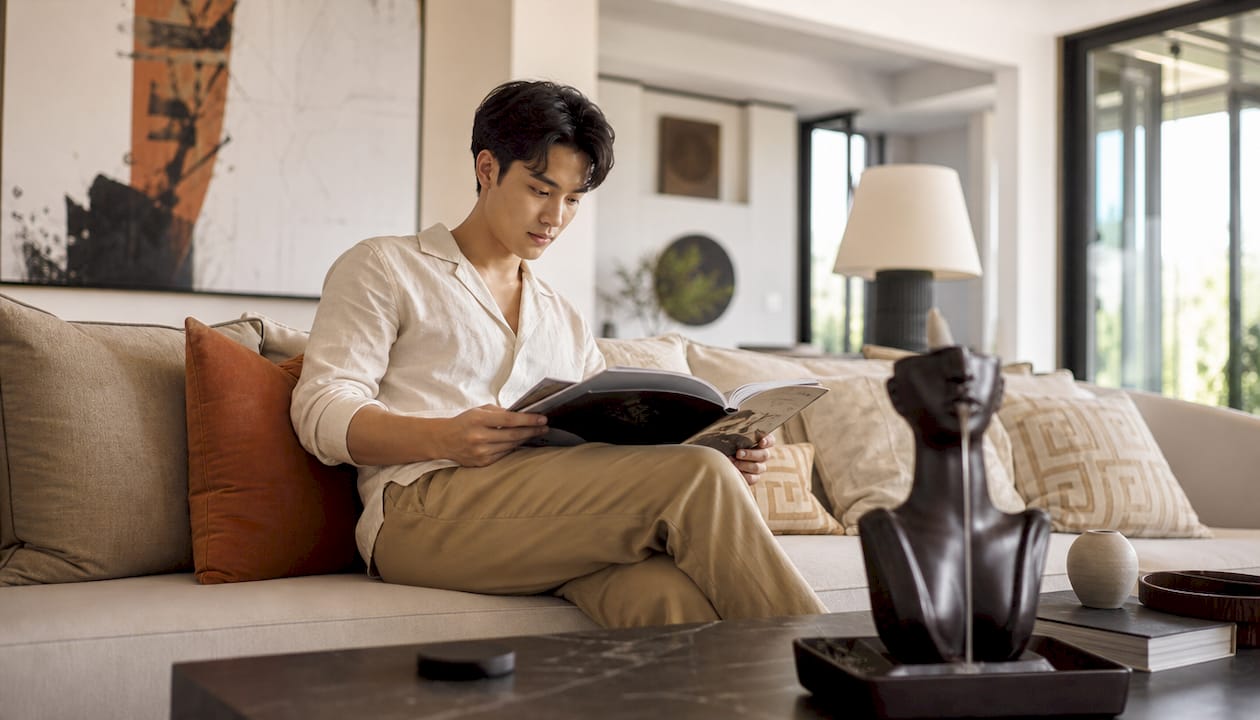
- Decor objects: A ceramic incense burner with an artistic form adds personality to a shelf without any commitment.
Renters achieve style flexibility through non-permanent additions like area rugs, curtains, and accent lighting. These changes do not damage the property and can move with you to the next home. That portability makes them the most practical investment for anyone renting.
Homeowners have more freedom but face a different risk: over-investing in a single style that feels dated within five years. Lighting, scale, and negative space are the foundational elements that separate successful interiors from cluttered ones. Getting these right before buying decorative objects saves money and avoids regret.
Pro Tip: Before buying new decor, rearrange what you already own. Changing the position of furniture and objects often reveals that the room’s problem is layout, not style.
Key Takeaways
Choosing and personalizing a home decor style works best when you start with architecture and foundational principles, then layer objects that carry personal meaning.
| Point | Details |
|---|---|
| Over 30 styles recognized | Industry experts categorize 24–32 major interior design styles as of 2026. |
| Architecture comes first | Match your style to your home’s structure to avoid visual disharmony. |
| Mixing styles beats strict labels | Combining vintage and modern pieces creates more livable, personal spaces. |
| Renters have real options | Rugs, curtains, and accent lighting shift style without structural changes. |
| 2026 favors texture and personality | Organic materials and personal objects now outrank trend-driven minimalism. |
Why I stopped chasing a single style label
The most common mistake I see is treating a style label as a rulebook. Someone decides they are “Minimalist” and proceeds to remove every object with personal meaning from their home. The room looks clean in photos and feels hollow in person. That is not good design. That is anxiety dressed up as aesthetic.
The interiors I find most compelling always contain at least one object that breaks the stated style. A Scandinavian room with a Moroccan rug. A Modern apartment with a grandmother’s ceramic bowl on the shelf. Strict adherence to a single style produces rigid, unlivable spaces. Blending historical influences with personal stories creates something worth coming home to.
The 2026 move toward organic, textured, and imaginative decor is not a trend to chase. It is a correction. Interiors got too clean, too curated, and too photographable. Expert designers now emphasize personal objects over trending aesthetics. That is the right instinct. A space that reflects who you are will always outlast a space that reflects what was popular this year.
My advice: treat your home as a collection that grows over time. Buy fewer things, but buy things you actually connect with. Let the style emerge from the objects rather than forcing objects into a predetermined style.
— Stephane
Noble Abode pieces for every decor style
Noble Abode carries a curated selection of statement pieces that work across the full range of popular home design themes, from Rustic and Bohemian to Modern and Japandi.
The rustic farmhouse vase with a sand glaze finish suits shelves, mantels, and dining tables in Boho, Farmhouse, or Organic-leaning spaces. The abstract resin sculpture in matte black anchors Modern and Industrial interiors with a bold focal point. For spaces that lean toward the artistic and organic, the ceramic incense burner adds sculptural detail and sensory depth. Each piece is built to last and easy to maintain, making it a practical choice for homeowners and renters alike.
FAQ
What are the main types of home decor styles?
The main types include Modern, Traditional, Transitional, Bohemian, Minimalist, Mid-Century Modern, Scandinavian, Japandi, Rustic, and Industrial. Industry experts recognize between 24 and 32 distinct styles in 2026 design literature.
How do I choose a decor style for my home?
Start by assessing your home’s architecture, then identify objects you already love, and use a style quiz to confirm a baseline preference. Architecture and scale should guide your choices before any decorative purchases.
Can renters change their home decor style without renovating?
Yes. Layered textiles, area rugs, curtains, and accent lighting are the fastest ways to shift between styles without structural changes. These additions are portable and do not damage rental properties.
What is the difference between Modern and Contemporary decor?
Modern refers to a specific early-to-mid 20th century design movement with defined characteristics. Contemporary describes whatever is current right now and changes with each decade.
What home decor style is most popular in 2026?
Transitional style remains the most widely adopted in American homes, while Japandi and organic-textured aesthetics are the fastest-growing directions based on 2026 interior design trend reports.