

Decorative Vase Ideas to Refresh Your Home in 2026
Decorative vase ideas are purposeful design choices that use form, filler, and placement to shape the mood of any room. A well-styled vase does more than hold flowers. It anchors a corner, adds texture to a shelf, or becomes the focal point of an entryway. The right combination of vase shape, material, and contents can shift a room from flat to finished in minutes. This guide covers the most effective techniques for 2026, from filler ratios to sculptural styling, so you can make confident choices for every space in your home.
1. What to put in decorative vases for visual balance
The filler you choose defines how a vase reads in a room. The ideal filler height is 1.5 to 2 times the vase height. That ratio creates proportion without making the arrangement look top-heavy or sparse.
Natural and dried materials are the most versatile fillers available:
- Pampas grass adds soft texture and works in both boho and modern spaces
- Dried florals hold their shape for months and need no maintenance
- Eucalyptus and olive branches bring architectural height and a muted, organic color palette
- Curly willow and bamboo create dramatic vertical lines in tall floor vases
- River stones or polished pebbles placed at the base add stability and a refined look
- LED fairy lights coiled inside clear glass vases produce warm ambient glow
- Sand, shells, or colored glass beads work as non-floral fillers for coastal or eclectic styles
For oversized vases, a DIY support grid made from two sturdy branches placed horizontally inside the vessel keeps stems upright and the arrangement full without using floral foam. This technique gives you a professional result with materials you likely already have.
Pro Tip: Place three to five river stones at the bottom of any tall vase before adding stems. The weight prevents tipping and the stones are visible through glass for an added design detail.
2. Unique flower vase ideas for every interior style
The vase style you choose should match the room’s existing aesthetic. Mismatching a rustic terracotta vase with a sleek modern interior creates visual noise rather than contrast.
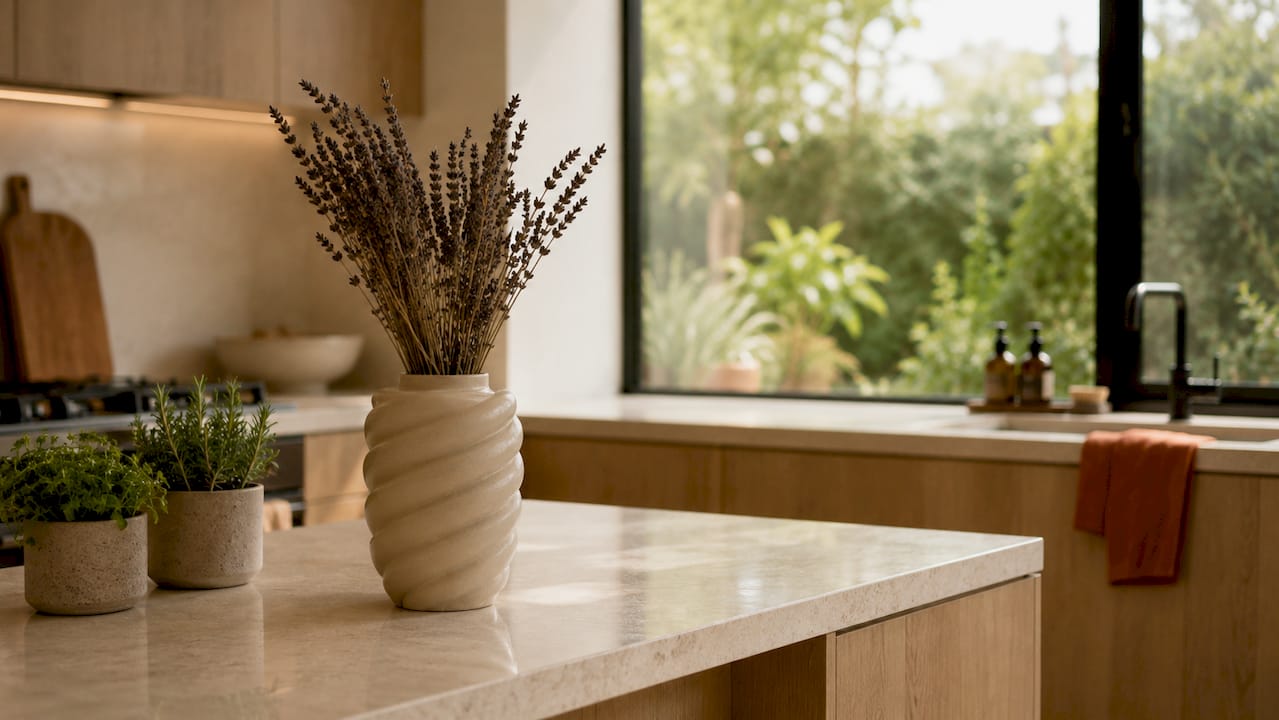
Modern minimalist rooms call for a single dramatic stem in a sculptural white ceramic vase. A minimalist white ceramic vase with clean lines lets one branch of dried magnolia or a single protea do all the work. The restraint is the point.
Rustic and boho interiors benefit from woven textures, terracotta tones, and earthy fillers. Pampas grass in a wide-mouthed terracotta vase placed on a jute rug creates layered warmth. A retro ceramic vase in sage green or rust adds color without competing with natural materials.
Industrial luxe spaces pair well with matte black or dark gray vases holding dried willow branches or olive stems. The contrast between the hard vessel and the soft organic filler is what makes this style work.
Coastal interiors favor white glazed or sandy-toned vases with palm fronds, eucalyptus, or bleached coral. A crystal glass square vase in gray works here too, especially when filled with white sand and a single dried stem.
Grouping vases of different heights and materials creates a layered, sculptural display. Use odd numbers: three or five vases together read as intentional. Even numbers can feel too symmetrical and stiff.
3. How to style large floor vases for maximum impact
Large floor vases are the most underused decor tool in most homes. Placed correctly, they anchor a room the way furniture does.
The best locations for floor vases include:
- Empty corners beside sofas or armchairs, where they fill dead space and add height
- Entryways on either side of a console table, framing the entrance
- Beside fireplaces, where the vertical line of the vase complements the horizontal mantle
- Dining areas, where a tall vase near the table adds drama without blocking sightlines
- Hallways, where a single large vase creates a destination point in a long corridor
For small rooms, choose tall and narrow vases over wide ones. Layering texture and scale in large floor vases raises the room’s perceived design quality without adding clutter. A slim matte black vase in a narrow hallway reads as intentional. A wide vase in the same space reads as an obstacle.
LED uplighting placed behind or beside a floor vase highlights texture and creates dramatic shadow effects on the wall. This works especially well with ribbed ceramic or textured stone vases. The effect costs almost nothing but looks like a professional installation.
Pro Tip: Step back three to four feet after placing a floor vase and look at it in context. If the filler leans to one side or the vase looks isolated, adjust the surrounding furniture or add a second smaller vase nearby to create visual balance.
A French style large vase in white works in almost any corner. Its classic proportions complement both traditional and transitional interiors without demanding a specific filler.
4. Creative non-floral and sculptural vase ideas
Empty sculptural vases are trending as standalone decor art rather than just containers. This shift reflects a broader 2026 design movement toward architectural, layered interiors where objects earn their place through form alone.
Non-floral styling options that work well:
- Colored glass vases in amber, cobalt, or smoked gray catch and scatter light across walls
- Metallic-finish vases in brushed gold or aged bronze add warmth to neutral rooms
- Textured matte ceramics with ribbed or hammered surfaces create tactile interest on shelves
- Sand and pebble fills in clear glass vases bring natural texture indoors without any maintenance
- Shells and sea glass work as seasonal fillers that swap out easily
“Oversized vases are not meant to feel stiff or overly controlled. The most successful arrangements balance freedom and intention for organic, effortless results.”
Multi-piece vases with separable lattice inserts simplify cleaning and give you flexibility to rearrange the design without starting over. Designers now use glass lattice structures that let stems find their natural angle rather than forcing them into rigid symmetry. The result looks effortless because it is. Moving away from forced symmetry produces organic arrangements that are easier to style and more visually interesting.
A Nordic face vase placed empty on a shelf functions as sculpture. Its form carries the visual weight without any filler at all.
5. DIY vase decoration ideas on any budget
DIY vase decoration does not require expensive materials. The most effective projects use what you already own and add one new element.
Painted glass bottles make strong vase alternatives. A clean wine bottle sprayed with matte white or terracotta paint becomes a credible bud vase for a single dried stem. Group three painted bottles of different heights on a windowsill for a cohesive display.
Wrapped vases use twine, leather cord, or fabric strips wound around a plain glass cylinder. The texture transforms a basic vase into something that looks handmade and intentional. This technique works especially well for rustic or boho interiors.
Layered sand art inside a clear glass vase creates color and pattern without any flowers. Pour alternating layers of colored sand or fine gravel in contrasting tones. Seal the top with a thin layer of clear craft glue to keep the layers in place.
Foliage from the yard is the most underrated free filler. Branches of magnolia, eucalyptus, or even bare winter twigs placed in a tall vase create a striking natural display. Neutral natural fillers like these create timeless, elegant looks that hold up across seasons.
A small transparent glass vase works perfectly for single-stem DIY arrangements. Its simplicity lets the filler carry the design.
6. Modern vase styling tips for shelves and tables
Shelf and table styling follows different rules than floor vase placement. The scale is smaller, so proportion and spacing matter more.
The rule of three applies directly here. Group a tall vase, a medium vase, and a short decorative object together. The height variation creates movement. All three pieces at the same height create a flat, static display.
Color coordination is more important on shelves than on floors. Choose vases that share one color with the room’s existing palette. A single accent color, repeated in the vase and one other object on the shelf, ties the display together without looking planned.
A creative modern vase with an unusual silhouette works well as the tall anchor piece in a shelf grouping. Pair it with a shorter, simpler vessel and a stack of books or a small sculptural object for a complete display.
Table centerpieces benefit from low, wide vases rather than tall ones. A wide ceramic bowl filled with floating candles and flower heads creates intimacy at a dining table. Tall vases on dining tables block sightlines and interrupt conversation.
7. Choosing the best vases for your decor style
The best vase for any room is the one that fits the room’s existing scale, material palette, and color story. Buying a vase in isolation, without considering the space, produces mismatched results.
Ceramic vases suit almost every interior style. Matte finishes work in modern and minimalist spaces. Glazed finishes with subtle color variations suit traditional and transitional rooms. The Salerno Ceramic Vase from Noble Abode is a strong example of artisanal ceramic design that reads as both classic and current.
Glass vases work best in rooms with good natural light. Clear glass amplifies light and makes small spaces feel larger. Colored or smoked glass adds drama and works well in rooms with darker palettes.
Acrylic vases offer a modern, lightweight option for shelves and tables. The Acrylic Book Vase from Noble Abode doubles as a sculptural object, making it ideal for home offices and reading nooks where function and form need to coexist.
Terracotta and stone vases bring warmth and weight to a room. They work best in earthy, natural interiors and pair well with dried botanicals and raw linen textiles.
Key takeaways
The most effective decorative vase styling combines the right filler ratio, a vase that fits the room’s material palette, and placement that anchors rather than clutters the space.
| Point | Details |
|---|---|
| Use the 1.5x–2x filler ratio | Fillers should stand 1.5 to 2 times the vase height for balanced proportion. |
| Match vase style to interior aesthetic | Ceramic suits most styles; glass amplifies light; terracotta adds warmth. |
| Place floor vases in corners and entryways | These locations anchor dead space and create natural focal points. |
| Empty vases work as standalone art | Sculptural vases need no filler to carry visual weight on a shelf or floor. |
| Group in odd numbers | Three or five vases together read as intentional; even numbers feel static. |
What I’ve learned from styling vases in every kind of room
I used to think a vase needed flowers to justify its place in a room. That changed the first time I left a wide-mouthed matte black ceramic vase completely empty on a console table. It stopped people in their tracks more than any arrangement I had ever built.
The biggest mistake I see is overloading vases with too many stems. More is not more here. One dramatic branch of dried magnolia in a tall narrow vase has more presence than a crowded bundle of mixed florals. Restraint is the actual skill.
Texture mixing is where most people underinvest. A smooth glass vase next to a rough terracotta one, both holding the same dried pampas grass, creates far more visual interest than two matching vases ever could. The contrast does the work.
I also stopped chasing perfect symmetry years ago. Letting stems find their own angle, the way a glass lattice design encourages, produces arrangements that look natural rather than arranged. That distinction is everything.
Start with one good vase. Place it somewhere unexpected. Leave it empty for a week and see how the room responds. You will learn more from that exercise than from any styling guide.
— Stephane
Noble Abode vases for every room and style
Noble Abode carries a curated selection of decorative vases built for real homes and real design decisions. Each piece is chosen for material quality, proportion, and versatility across interior styles.
The Salerno Ceramic Vase brings artisanal detail to any shelf or console. The Creative Modern Vase suits contemporary living rooms that need a sculptural anchor. For something unexpected, the Acrylic Book Vase adds artistic flair to home offices and reading spaces. Noble Abode also carries minimalist ceramics, Nordic face vases, and French-style floor vases for larger rooms. Every piece is easy to maintain and built to last across seasons and style changes.
FAQ
What is the best filler height for a decorative vase?
Fillers should stand 1.5 to 2 times the height of the vase. This ratio creates visual balance without making the arrangement look top-heavy.
Can you use a vase without flowers?
Yes. Empty sculptural vases function as standalone decor art and are a recognized 2026 design trend. A vase with strong form, texture, or color needs no filler to create visual impact.
What goes in a large floor vase?
Tall natural stems like pampas grass, eucalyptus, bamboo, and curly willow work best. Place river stones at the base for stability and a polished finish.
How do you style multiple vases together?
Group vases in odd numbers, typically three or five, at varying heights. Choose pieces that share one material or color to create cohesion without uniformity.
What type of vase works best for modern interiors?
Matte ceramic and clear or smoked glass vases suit modern interiors best. Clean lines, neutral tones, and minimal ornamentation keep the look current and uncluttered.