

Non Toxic Home Decor: A Guide for Stylish, Safe Spaces
What is non toxic home decor and why does it matter?
Non toxic home decor refers to decorative items made without hazardous chemicals such as formaldehyde, phthalates, volatile organic compounds (VOCs), and chemical flame retardants. These substances appear in everyday furnishings more often than most people realize, from particleboard shelving to synthetic-fragrance candles and foam cushions.
The health case is clear. Prolonged exposure to indoor chemical emissions is linked to respiratory irritation, allergies, and asthma. US regulations like CARB Phase 2 cap formaldehyde emissions in composite wood products, and California’s TB117-2013 removes mandatory chemical flame retardant requirements for upholstered furniture. These standards set a floor, not a ceiling.
Key substances to watch for in typical home decor:
- Formaldehyde — found in MDF, particleboard, and adhesives
- VOCs — off-gassed from paints, finishes, and synthetic coatings
- Phthalates — present in soft plastics and vinyl accessories
- Chemical flame retardants — added to polyurethane foam in cushions and upholstery
- Synthetic fragrances — common in mass-market candles and air fresheners
Third-party certifications such as GREENGUARD Gold, GOTS, and OEKO-TEX Standard 100 help verify that products meet stricter safety thresholds than federal minimums require.
Table of Contents
- Common harmful chemicals in home decor and US safety standards
- Which materials are genuinely safe for chemical free home accessories?
- How to integrate non-toxic decor without replacing everything at once
- How Noble Abode supports safe, stylish decor choices
- Health and environmental benefits of choosing non-toxic home decor
- DIY non-toxic decor ideas worth trying
- How to maintain and clean non-toxic home decor
- Where to buy reliable non-toxic home decor in the US
- How to spot greenwashing in home decor
- Key Takeaways
- The case for treating non-toxic decor as a long-term standard
- Noble Abode brings certified, stylish non-toxic decor to your home
Common harmful chemicals in home decor and US safety standards
Most standard home furnishings contain at least one chemical of concern. The sources vary: adhesives in manufactured wood, finishes on furniture frames, recycled foam in cushions, and synthetic coatings on textiles.
Chemical flame retardants used in furniture foam pose documented health risks and persist in household dust. Research shows they may not meaningfully increase fire escape time, making natural alternatives like wool and cotton batting a safer and equally functional choice.
Leading manufacturers test for toxic substances at levels below 2 ppm, compared to the general safety threshold of 300 ppm. That gap is significant. A product that technically passes federal standards can still off-gas at levels far above what premium manufacturers accept internally.
Key chemical risks by source:
- Composite wood (MDF, particleboard) — formaldehyde-based adhesives
- Polyurethane foam — chemical flame retardant treatments
- Synthetic candles — paraffin wax and artificial fragrance compounds
- Plastics and vinyl — phthalates and stabilizer chemicals
- Conventional paints and finishes — high-VOC solvents
Stat to know: GREENGUARD Gold certification tests products against 10,000+ chemicals and 360+ VOCs, making it one of the most rigorous indoor air quality standards available for home furnishings.
Which materials are genuinely safe for chemical free home accessories?
Natural materials are the most reliable starting point for toxic free interior design. They require fewer chemical treatments and off-gas at far lower levels than synthetic alternatives.
Preferred materials:
- Solid wood with food-safe or water-based finishes
- Organic cotton and wool (GOTS certified)
- Ceramics and stone
- Natural fibers: jute, rattan, seagrass, linen
Materials to avoid or scrutinize:
- MDF and particleboard (formaldehyde adhesives)
- Polyurethane foam without GOLS certification
- Synthetic finishes with undisclosed chemical additives
- Vinyl and PVC accessories
Solid wood with food-safe finishes tested to FDA standards is measurably safer than composite wood products held together with formaldehyde-based adhesives. For upholstered pieces, GOLS-certified latex and GOTS-certified fabric are the benchmarks worth seeking.
Natural fibers like wool also provide passive flame resistance without chemical treatment, addressing fire safety without the health trade-off of synthetic retardants.
Pro Tip: For children’s furniture and accessories that may be mouthed or touched frequently, look specifically for “food-safe” finishes tested to FDA standards. “Non-toxic” alone is an unregulated marketing term and carries no legal weight.
How to integrate non-toxic decor without replacing everything at once
A full home overhaul is not necessary. Gradual, mindful buying is more practical and often more effective.
Start with high-contact, high-exposure items: bedding, throw pillows, rugs, and candles. These are the pieces you and your household interact with most, and they are also among the easiest to swap without major expense.
Practical steps for a gradual transition:
- Replace synthetic-fragrance candles with soy wax alternatives made with natural fragrance oils
- Swap plastic decorative objects for ceramics, stone, or natural fiber pieces
- Add indoor plants and natural baskets to improve air quality while adding texture
- Choose solid wood or metal furniture over particleboard when replacing worn pieces
- Avoid manufactured wood items that carry a Prop 65 warning label
Eco friendly home decor choices do not need to sacrifice style. Natural ceramics, woven baskets, and linen textiles all read as premium and timeless.
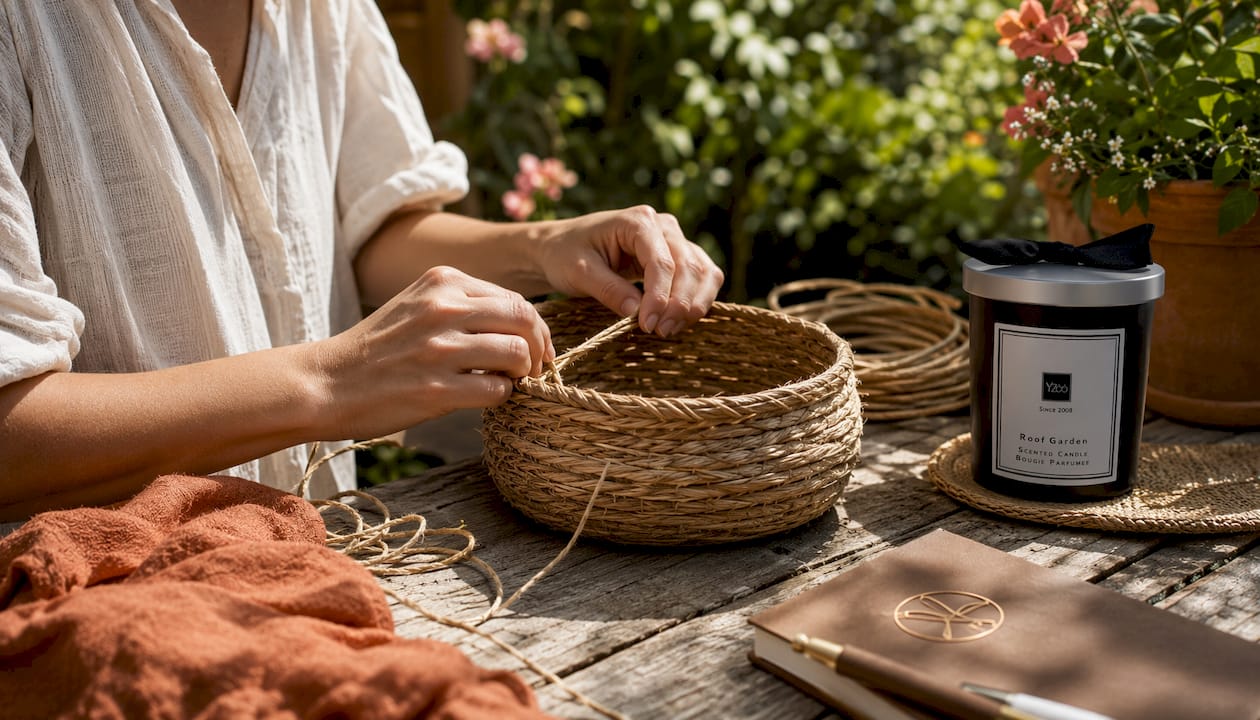
Pro Tip: Choose multi-purpose, durable pieces over trend-driven items. A solid ceramic vase or a hand-woven basket lasts years without off-gassing, requires minimal cleaning, and never goes out of style.
How Noble Abode supports safe, stylish decor choices
Noble Abode curates decor with natural materials and timeless design at its core. The selection spans decorative vases, sculptures, art pieces, throw pillows, rugs, lamps, small furniture, and pet beds, all chosen for premium craftsmanship and easy maintenance.
Products in the Noble Abode collection are built to last, which directly reduces the cycle of replacement buying that drives chemical exposure. Durable, well-made pieces off-gas less over time and require fewer harsh cleaning products to maintain.
Noble Abode’s quality standards align with voluntary benchmarks that exceed federal minimums, including GREENGUARD Gold certification for low VOC emissions and internal testing for toxic substances at levels below 2 ppm, surpassing the 300 ppm general safety threshold. The Simple Green Retro Ceramic Vase is one example: ceramic construction with no synthetic coatings, no off-gassing, and a design that works across multiple interior styles.
Worth noting: Noble Abode applies non-toxic finishes with toxic substance levels below 2 ppm, surpassing the 300 ppm consumer safety threshold, with GREENGUARD Gold certification verifying low VOC emissions across applicable product lines.
Pro Tip: When shopping Noble Abode’s collection, look for pieces in natural materials like ceramic, stone, and natural fiber textiles. These categories carry the lowest chemical risk and the highest longevity.
Health and environmental benefits of choosing non-toxic home decor
Reduced chemical exposure at home has measurable health benefits. Non-toxic home decor lowers the toxic load linked to respiratory issues, allergic reactions, and asthma, particularly in households with children or individuals with sensitivities.
Beyond personal health, sustainable natural materials reduce the chemical manufacturing footprint and generate less toxic waste at end of life. A ceramic vase or a wool rug does not shed microplastics or leach compounds into household dust the way synthetic alternatives do.
Key benefits at a glance:
- Lower indoor VOC levels and reduced off-gassing
- Decreased risk of asthma and allergy triggers
- Less chemical accumulation in household dust
- Reduced environmental impact from production and disposal
- Long-term cost savings from durable, low-maintenance pieces
DIY non-toxic decor ideas worth trying
Making your own decor is one of the most reliable ways to control what goes into it. The materials are straightforward, and the results are often more personal than anything mass-produced.
Practical DIY options:
- Painted terracotta pots using zero-VOC or low-VOC paint, available from brands like ECOS Paints
- Natural fiber wall hangings using undyed cotton rope or jute, both widely available and free of chemical treatments
- Beeswax or soy candles poured at home with essential oil fragrance, avoiding synthetic fragrance compounds entirely
- Pressed botanical frames using dried plants behind glass, no adhesives or finishes required
- Linen or cotton pillow covers sewn from GOTS-certified fabric, which guarantees no toxic dyes or PFAS treatments
For wood-based DIY projects, Rubio Monocoat Oil Plus 2C is a 0% VOC stain and finish in one, widely used by health-conscious woodworkers. Titebond wood glue is a well-regarded non-toxic adhesive option when joinery alone is not sufficient.
How to maintain and clean non-toxic home decor
Cleaning products introduce their own chemical load. Conventional sprays and polishes often contain VOCs, synthetic fragrances, and surfactants that undermine the effort put into choosing safer decor.
Simple, effective cleaning practices:
- Ceramics and stone: warm water and mild unscented soap; avoid abrasive chemical cleaners
- Natural fiber textiles (cotton, linen, wool): cold water wash with fragrance-free, plant-based detergent; air dry when possible
- Solid wood surfaces: wipe with a damp cloth; condition occasionally with food-grade mineral oil or beeswax
- Woven baskets (jute, rattan): dust with a dry brush; spot clean with diluted white vinegar
- Candles: trim wicks before each use to reduce soot; keep away from drafts to ensure clean, even burning
Avoid storing natural fiber decor in sealed plastic bins, which trap moisture and can encourage mold. Open shelving or breathable cotton storage bags work better for long-term care.
Where to buy reliable non-toxic home decor in the US
The US market has grown considerably in this category. Several retailers and brands now publish material transparency pages and hold verifiable third-party certifications.
What to look for when evaluating a retailer:
- Published certifications (GREENGUARD Gold, GOTS, OEKO-TEX Standard 100)
- Material transparency pages listing finishes, adhesives, and fabric treatments
- Clear Prop 65 disclosures or explicit statements of compliance
- Return policies that allow off-gassing assessment before committing
Noble Abode offers a curated online selection with a focus on natural materials and timeless design, available at nobleabode.shop. For high-end home decor with verified quality standards, a curated retailer is generally more reliable than a large marketplace where product sourcing varies widely by seller.
How to spot greenwashing in home decor
The terms “non-toxic,” “eco-friendly,” and “natural” are largely unregulated marketing terms. The FTC has guidelines on green marketing claims, but enforcement is limited, and many brands use these phrases without independent verification.
Common greenwashing tactics:
- Vague claims like “made with natural ingredients” without specifying which or what percentage
- “Non-toxic” labeling with no third-party certification to back it
- “Eco-friendly” packaging on a product made with synthetic chemicals
- Proprietary ingredient lists that obscure chemical names
- Certifications that sound official but are self-issued
The reliable counter-move is straightforward: ask for the certification body, the certificate number, and the scope of testing. GREENGUARD Gold, GOTS, OEKO-TEX Standard 100, and MADE SAFE are all independently administered and publicly searchable. If a brand cannot provide documentation, the claim is marketing, not verification.
Key Takeaways
Non toxic home decor means choosing items certified free of formaldehyde, VOCs, and chemical flame retardants, verified by independent standards like GREENGUARD Gold and OEKO-TEX.
| Point | Details |
|---|---|
| Certifications matter most | GREENGUARD Gold tests against 10,000+ chemicals; self-issued “non-toxic” labels carry no legal weight. |
| Start with high-contact items | Replace candles, textiles, and rugs first for the fastest reduction in chemical exposure. |
| Natural materials are lowest risk | Solid wood, ceramics, wool, jute, and linen off-gas at far lower levels than synthetic alternatives. |
| Stricter internal standards exist | Leading manufacturers test below 2 ppm toxic substances versus the 300 ppm general safety threshold. |
| Noble Abode curates for safety | Noble Abode’s collection prioritizes natural materials, GREENGUARD Gold certification, and durable, low-maintenance design. |
The case for treating non-toxic decor as a long-term standard
The conventional wisdom on non-toxic home decor tends to frame it as a sacrifice: you give up affordability or style to get safety. That framing is outdated and, frankly, inaccurate.
The real issue is not the cost of safer materials. It is the cost of replacing cheap, chemically treated pieces every few years as they degrade, off-gas, and fall apart. A solid ceramic vase or a hand-woven wool rug bought once, maintained simply, and kept for a decade is cheaper in practice than cycling through synthetic alternatives.
What most guides underestimate is how much the certification gap matters. A product with GREENGUARD Gold certification has been tested against over 10,000 chemicals. A product with a brand-applied “eco-friendly” sticker has been tested against nothing independently. Those are not comparable safety claims, and treating them as equivalent is where most consumers go wrong.
The smarter approach: buy fewer pieces, buy them certified, and choose natural materials that age well. Style and safety are not competing priorities when the selection is curated rather than convenience-driven.
Noble Abode brings certified, stylish non-toxic decor to your home
Safer decor does not mean starting over. Noble Abode’s curated collection gives you a direct path to premium, natural-material pieces that meet rigorous quality standards without requiring a full home renovation.
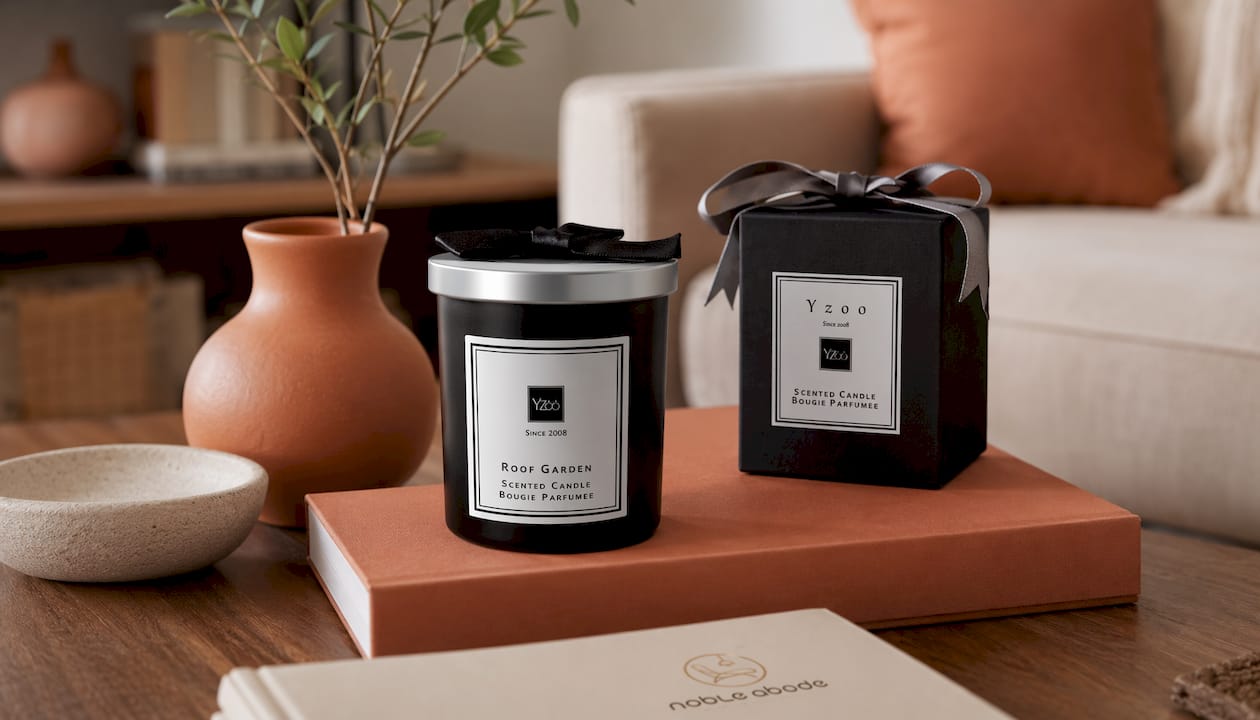
From ceramic vases and sculptural accents to soy wax candles made with natural fragrance oils, every piece in the Noble Abode lineup is chosen for timeless design, easy maintenance, and low chemical risk. The collection suits both homeowners and renters looking to make meaningful, lasting upgrades without committing to a full overhaul. Browse the full selection at nobleabode.shop and find the pieces that fit your space.