

Eco Friendly Home Decor: Top 10 Ideas for 2026
Eco friendly home decor is defined by the use of sustainable, non-toxic, and recyclable materials that reduce environmental harm while enhancing your living space. The industry standard term is sustainable interior design, and it covers everything from the fibers in your throw pillows to the finish on your bookshelves. Certifications like FSC (Forest Stewardship Council) for wood and GOTS (Global Organic Textile Standard) for textiles give you a reliable way to verify claims. In 2026, circular economy models are shaping how manufacturers design, produce, and dispose of home goods. The result is a market where style and responsibility no longer compete.
What materials define eco friendly home decor?
The material a product is made from determines most of its environmental impact. Bamboo, reclaimed wood, organic cotton, and recycled metals are the four most common materials in sustainable home furnishings today.
- Bamboo grows to harvest size in three to five years, compared to decades for hardwood trees. It requires no pesticides and produces more oxygen per acre than most trees.
- Reclaimed wood repurposes timber from old buildings, barns, and factories. Using it prevents deforestation and gives each piece a unique character.
- Organic cotton is grown without synthetic pesticides or fertilizers. It produces softer textiles and avoids the chemical residues found in conventional cotton.
- Recycled metals like aluminum and steel require significantly less energy to process than virgin materials. They are also fully recyclable at end of life.
Material choice also affects the air you breathe indoors. Eco-friendly paints tend to be mineral-based with low or zero VOCs (volatile organic compounds), and formaldehyde-free wood products reduce indoor toxin levels. This matters because most people spend the majority of their time inside their homes.
Pro Tip: Look for FSC certification on any wood product and GOTS certification on textiles. These third-party certifications cut through greenwashing by independently verifying health and environmental claims.
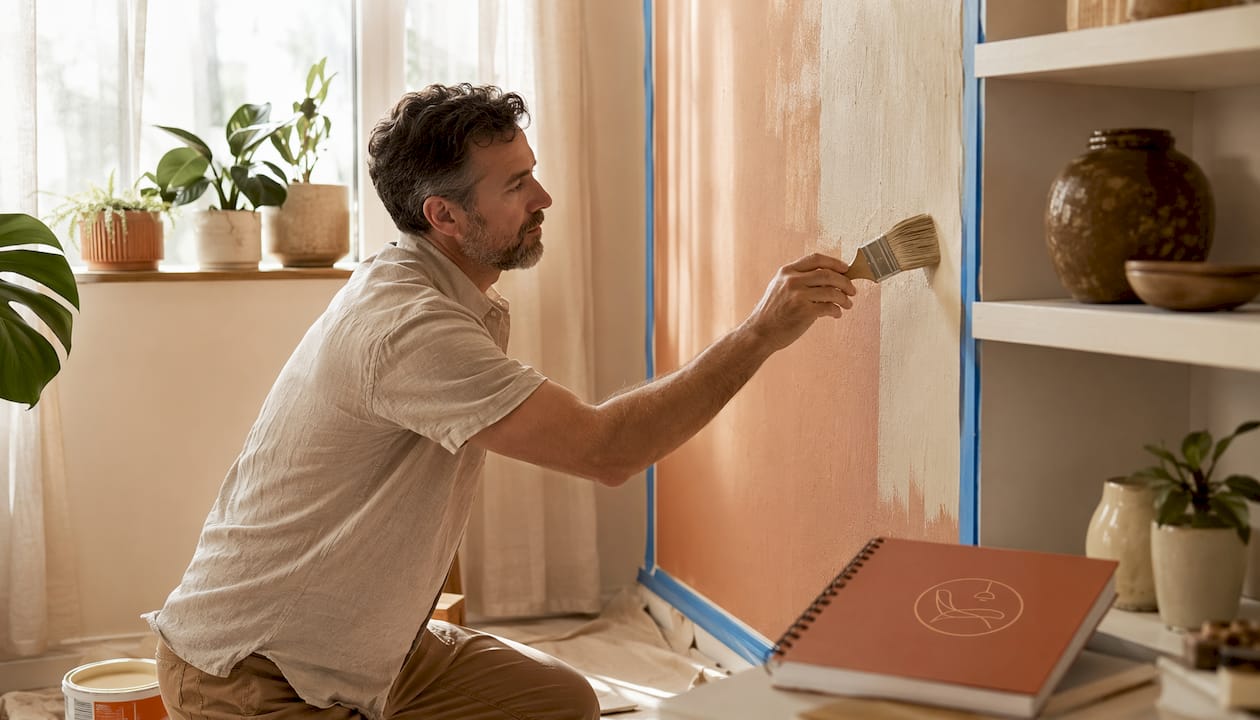
10 eco friendly home decor ideas that combine style and sustainability
1. Washable rugs from upcycled fibers
Washable rugs made from upcycled fibers combine practicality with waste reduction. They divert plastic bottles and textile scraps from landfills and turn them into durable floor coverings. Because they are machine washable, they last longer than rugs that require dry cleaning.
2. Modular furniture designed for repair
Modular furniture with replaceable cushions or components is one of the most effective ways to reduce home furnishing waste. The Repair Don’t Replace philosophy extends product life by letting you swap out worn parts instead of discarding the entire piece. A sofa with replaceable cushion covers, for example, can last two to three times longer than a conventional model.
3. Handwoven baskets and decorative bowls
Natural fiber baskets and bowls made from seagrass, rattan, or water hyacinth are fully biodegradable. They are produced by artisans using traditional techniques, which supports local economies and avoids factory emissions. These pieces work as storage, display, or table centerpieces.
4. Sustainable lighting
LED bulbs use up to 75% less energy than incandescent bulbs and last significantly longer. Pairing LEDs with fixtures made from recycled or reclaimed materials compounds the environmental benefit. Look for lamp bases made from reclaimed wood or recycled metal for a complete sustainable lighting setup.
5. Organic textiles for cushions and curtains
Organic cotton, linen, and hemp textiles carry lower chemical loads than conventional fabrics. GOTS-certified cushion covers and curtains confirm that the entire production chain, from farming to finishing, meets environmental and social standards. Linen, in particular, requires very little water to grow and is naturally moth-resistant.
6. Recycled glassware and ceramics
Recycled glass requires less energy to produce than new glass. Decorative bowls, vases, and candleholders made from recycled glass add color and texture to any room without adding new resource demand. Ceramics made from locally sourced clay also carry a lower transportation footprint than imported alternatives.
7. Non-toxic paints and finishes
Conventional paints release VOCs for months after application. Mineral-based and zero-VOC paints eliminate this problem and come in the same range of colors as standard options. Chalk paint and milk paint are two widely available non-toxic finishes that work on furniture, walls, and accent pieces.
8. Upcycled art and vintage decor
Vintage and secondhand decor items carry no new production footprint. A framed print from an estate sale or a ceramic lamp from a thrift store requires zero new raw materials. Upcycled art, where artists repurpose discarded materials into wall pieces or sculptures, takes this further by actively removing waste from circulation.
9. Biophilic design elements
Biophilic design brings natural elements into interior spaces to improve wellness and reduce stress. Living walls, potted plants, and moss panels improve indoor air quality by absorbing carbon dioxide and some VOCs. Snake plants, pothos, and peace lilies are three of the most effective and low-maintenance options for indoor air filtration.
10. Soy wax candles
Paraffin candles are petroleum-based and release soot and toxins when burned. Soy wax candles burn cleaner, last longer, and are biodegradable. Noble Abode carries handcrafted soy wax candles made with essential oils, which replace synthetic fragrance chemicals with plant-derived scent.
How to identify truly eco friendly home accessories when shopping
Greenwashing is widespread in the home decor market. A product labeled “natural” or “green” has no legal definition behind those words. Verified sustainability requires documentation.
- Check for third-party certifications. FSC, GOTS, Fair Trade, and OEKO-TEX are the four most credible standards in home decor. Each requires independent auditing.
- Ask about supply chain transparency. Brands that disclose their manufacturing locations, carbon footprint, and end-of-life options are more likely to be genuinely sustainable.
- Watch for red flags. Products containing PFAS (per- and polyfluoroalkyl substances) or added flame retardants carry known health risks. Avoid any product that does not disclose its chemical treatments.
- Evaluate durability. A product built to last five years has a lower lifetime environmental impact than a cheaper item replaced annually. Ask about warranty terms and repairability.
- Consider end-of-life options. The best sustainable products are either recyclable, compostable, or designed for take-back programs.
Innovative eco-composites now exist that are made from 50% bamboo waste and food-grade binders, are FDA-approved, PVC-free, and phthalate-free. That level of material transparency is the standard worth holding all eco-friendly home decor products to.
Pro Tip: Buy from local artisans and regional makers whenever possible. Shorter supply chains mean lower transportation emissions, and you can often verify production conditions directly. The best home decor sites now filter by certification and origin to make this easier.
Sustainable lifestyle tips for integrating eco friendly decor into your home
Sustainable decor is not a one-time purchase. It is a set of ongoing habits that compound over time.
Start with a repair-first mindset. Before replacing any decor item, ask whether it can be fixed, refinished, or repurposed. A scratched wooden tray can be sanded and re-oiled. A faded cushion cover can be dyed. Modular pieces with replaceable components make this approach practical for furniture as well.
Minimalism reduces consumption by default. Buying fewer, higher-quality pieces means less waste and more intentional spaces. Trend-chasing produces clutter. Timeless designs, like those found across Noble Abode’s 2026 decor style guide, hold their appeal across seasons and avoid the cycle of frequent replacement.
Multifunctional pieces earn their place twice. A storage ottoman replaces both a coffee table and a storage bin. A decorative tray organizes a desk and doubles as a serving piece. Each dual-purpose item you choose means one fewer product manufactured and shipped.
Small daily habits reinforce the larger commitment. Composting kitchen scraps, maintaining indoor plants, and choosing LED lighting all reduce your home’s environmental footprint without requiring any major renovation.
Key Takeaways
Eco friendly home decor works best when material choice, verified certifications, and a repair-first mindset combine to reduce waste across the full product lifecycle.
| Point | Details |
|---|---|
| Material choice matters most | Bamboo, reclaimed wood, organic cotton, and recycled metals carry the lowest environmental impact. |
| Certifications cut through greenwashing | FSC, GOTS, OEKO-TEX, and Fair Trade are the four most credible third-party standards to look for. |
| Modular furniture reduces waste | Replaceable components extend product life and keep usable furniture out of landfills. |
| Biophilic design improves health | Living walls and indoor plants improve air quality and reduce indoor toxin levels. |
| Repair before replacing | A repair-first habit reduces consumption and extends the life of every decor item you own. |
Why I stopped chasing trends and started buying for keeps
I spent years cycling through decor that looked good in photos but fell apart within two seasons. The turning point was a reclaimed wood shelf I bought from a local woodworker. It cost more upfront, had visible knots and grain variations, and looked better every year instead of worse.
What I’ve learned is that sustainability now encompasses transparency, full lifecycle thinking, and mindful consumption. It is not just about the material a product is made from. It is about whether the brand can tell you where that material came from, how it was processed, and what happens to the product when you are done with it.
The shift in design culture toward circular economy thinking is real and accelerating. Brands that verify sustainability through certifications are gaining ground over those that rely on vague marketing language. That is good news for anyone who wants their home to reflect their values without sacrificing style.
My advice: start with one room, choose one certified material category, and buy the best version you can afford. Quality over quantity is not a cliché here. It is the most practical sustainability strategy available to any homeowner or renter.
— Stephane
Noble Abode’s collection for your sustainable space
Noble Abode curates statement pieces built for longevity, not seasonal replacement. The collection includes items made with durable materials and timeless designs that hold their appeal across years, not just trends.
The Key Desktop Storage Decor organizes your space with a minimal footprint, while the magnetic levitation flower ornament brings a biophilic element to any desk without soil, water, or maintenance. Noble Abode’s abstract art figures offer a sustainable alternative to mass-produced wall art, with each piece designed to anchor a room rather than fill it. Browse the full collection at nobleabode.shop to find pieces that fit your style and your values.
FAQ
What is eco friendly home decor?
Eco friendly home decor, also called sustainable interior design, uses renewable, recycled, and non-toxic materials to reduce environmental harm. Products certified by FSC, GOTS, or OEKO-TEX meet independently verified standards for sustainability and safety.
How do I avoid greenwashing when buying sustainable decor?
Look for third-party certifications like FSC, GOTS, Fair Trade, and OEKO-TEX rather than relying on unverified labels like “natural” or “green.” Brands that disclose their supply chain, manufacturing location, and end-of-life options are more credible.
What are the best materials for sustainable home furnishings?
Bamboo, reclaimed wood, organic cotton, recycled metals, and natural fibers like seagrass and rattan are the most widely available sustainable materials. Each offers a lower carbon footprint than conventional alternatives and performs well over time.
Does eco friendly decor cost more?
Higher-quality sustainable pieces often cost more upfront but last significantly longer than conventional alternatives. Modular furniture with replaceable components and well-made natural fiber textiles reduce long-term replacement costs.
What certifications should I look for on home decor products?
FSC certifies responsibly sourced wood, GOTS certifies organic textiles, OEKO-TEX certifies that textiles are free from harmful chemicals, and Fair Trade certifies ethical labor practices. Any product carrying one or more of these labels has been independently audited.