

U.S. Lamp Prices: $15–$150+ and LED Running Costs (~$0.39/month)
A basic lamp typically runs $15 to $40, a mid-range piece with better materials or an integrated LED sits between $40 and $150, and a designer or premium lamp starts around $150 and climbs from there. The sticker price is only half the picture, though. Switch from an incandescent bulb to an LED and the cost to run that lamp drops to a few cents a month, which matters more over five years than the $20 you saved at checkout. The sections below break down price by lamp type, show the running-cost math, and cover what pushes a price up or down.
TL;DR:
- Switching to LED bulbs can save around $26.50 annually compared to incandescent options, significantly reducing long-term electricity costs.
- Prices for lamps vary widely: basic models under $40 use simple materials, while premium designer pieces start at $150 with higher-quality finishes.
- The cost of materials directly impacts price, with glass and crystal bases costing notably more than resin or metal, affecting the final price.
- Additional expenses like delivery, installation, and bulbs should be budgeted, often doubling the initial purchase price for hardwired fixtures.
- A longer warranty and higher-quality finish typically offer better value and lower long-term risk for lamps priced above $150.
Table of Contents
- How Much Do Lamps Cost by Type?
- What Drives a Lamp’s Price Up or Down?
- How Much Does It Cost to Run a Lamp?
- How Do You Budget for a Lamp Purchase?
- Why Noble Abode’s Lamps Fit These Price Tiers
- What Else Should You Budget For Beyond the Lamp Itself?
- A Buyer’s Take on Price Versus Long-Term Cost
- Get a Lamp Built for Both Style and Savings
- Sources
- FAQ
How Much Do Lamps Cost by Type?
Price depends heavily on category. A desk lamp and a floor lamp are built for different jobs, and that shows up in the price tag before you even factor in materials or brand.
Desk lamps cluster at the low end because they’re smaller and use less material. Table lamps run a wider range since they double as decor. Floor lamps top the list, mostly because of the extra metal or wood in the base and pole. Smart lamps sit in a similar band to table lamps but carry a premium for the electronics inside.
These bands come from current retail data on common lamp types, and they hold up across most home decor retailers.
What you get at each level varies:
- Under $40: Basic materials (resin, thin metal), a single fabric shade, and usually no bulb included.
- $40 to $150: Solid wood or heavier metal bases, better shade fabric, sometimes an integrated LED module.
- $150 and up: Glass, crystal, or hand-finished ceramic, designer shade proportions, and often a bulb included as part of the package.
Pendant and ceiling fixtures deserve a separate note. Their sticker price often looks close to a table lamp, but installation adds a real cost most shoppers forget to budget for, which the extra-costs section below covers in detail. If you’re shopping for a living room floor lamp specifically, this roundup of floor lamp options shows how style and price track together in that category.
What Drives a Lamp’s Price Up or Down?
Materials are the biggest lever. Metal and ceramic bases cost less to produce than hand-blown glass or crystal, and that difference shows up directly in the price tag. A glass table lamp with real weight and clarity to it almost always costs more than a resin lamp shaped to look similar.
The shade matters more than most buyers expect. A larger shade needs more fabric or material, and a well-lined shade diffuses light more evenly, which is part of why two lamps with identical bases can differ by $30 or more based on the shade alone.
Smart features add a predictable jump. Once a lamp includes app control or voice compatibility, it commonly moves from a lower price band into the $70 to $150 range, since that electronics and firmware layer costs money to build and support. A comparison of smart bulbs and smart switches is worth a look if you’re deciding whether the smart features belong in the bulb or the fixture itself.
Brand and craftsmanship close the gap between a $60 lamp and a $250 one. Designer labels charge for design history and finish quality, and that premium often comes bundled with a longer warranty, which lowers your risk on the purchase.
Pro Tip: If two lamps look nearly identical in photos, check the base material in the listing description. “Metal” and “metal look” resin are priced very differently but photograph almost the same.
How Much Does It Cost to Run a Lamp?
The math is simple: watts × hours used ÷ 1,000 × your electricity rate = cost. That formula is where the real savings show up, and it’s the reason bulb choice matters more than shoppers usually assume.
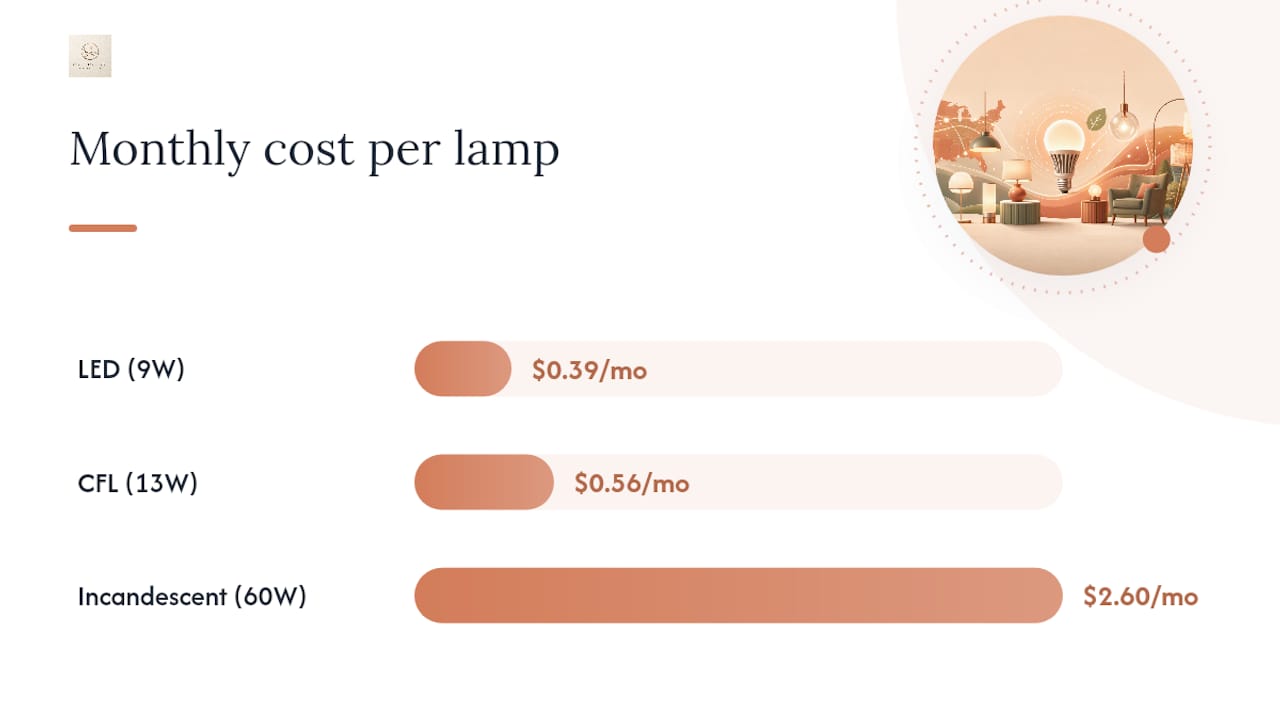
A 9W LED bulb run 8 hours a day uses about 0.072 kWh daily, or roughly 2.2 kWh a month. At the U.S. average residential rate, that works out to about $0.39 a month for that single lamp. A 13W CFL bulb at the same usage costs a bit more, closer to $0.56 monthly. A 60W incandescent bulb, still common in older fixtures, costs around $2.60 a month at the same 8 hours a day, nearly seven times the LED figure.
| Bulb type | Watts | Cost per month (8 hrs/day) | Cost per year |
|---|---|---|---|
| LED | 9W | ~$0.39 | about $0.39 |
| CFL | 13W | ~$0.56 | about $0.56 |
| Incandescent | 60W | ~$2.60 | around $26.50 |
A 60W incandescent bulb costs roughly $26.50 more per year to run than an LED at the same usage. That gap compounds across every lamp in a home, and it’s a large part of why Energy as the default choice for most fixtures.
These figures use the national average residential electricity rate tracked by the EIA, but your actual bill depends on where you live. Rates in the Northeast tend to run higher than the Midwest or South, so adjust the math up if that’s your region. Smart lamps draw a small amount of standby power for connectivity, usually a fraction of a watt, which adds pennies a year at most and rarely changes the overall picture.
How Do You Budget for a Lamp Purchase?
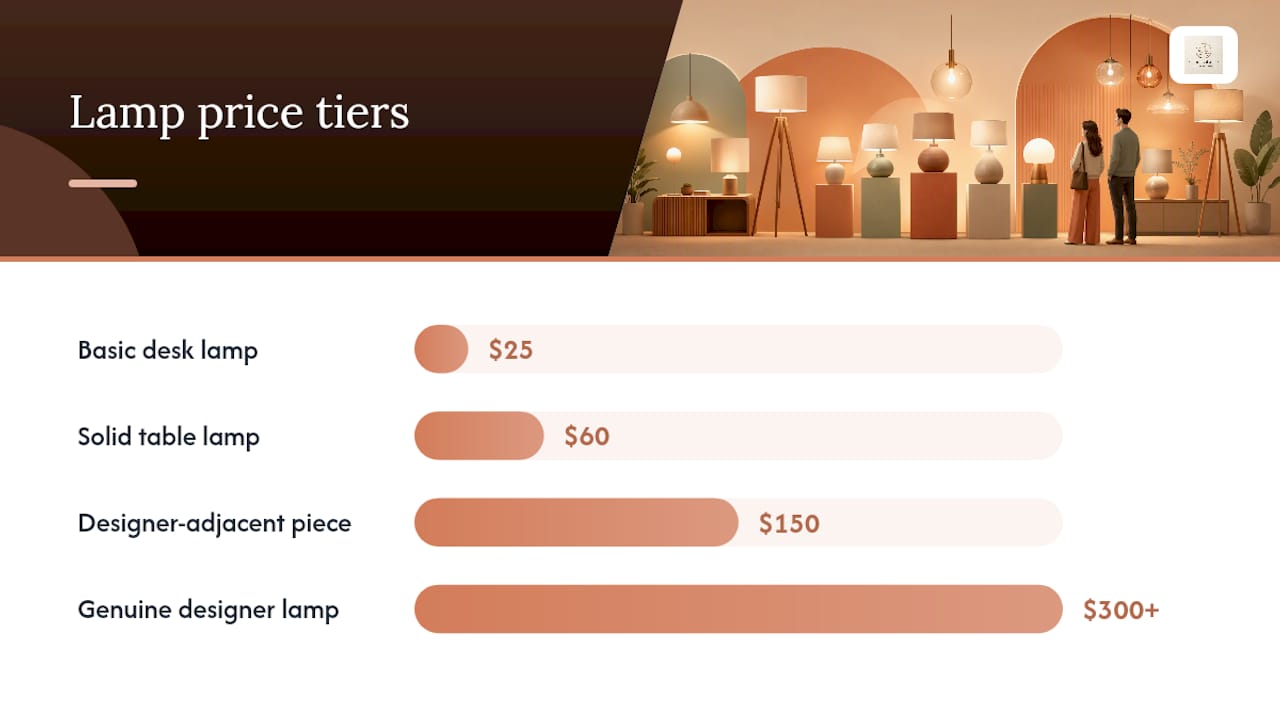
A rough guide to what each price point buys: $25 gets you a basic desk lamp with no bulb included. $60 gets a solid table lamp, often mid-tier materials with a decent shade. $150 gets a designer-adjacent piece, sometimes with an integrated LED. $300 and up moves into genuine designer territory, glass or crystal construction, and typically a longer warranty.
The upfront-versus-running-cost trade-off is worth thinking through before you buy. Integrated LED lamps cost more at checkout but need no bulb replacement for years and run cheaper daily. Lamps with replaceable sockets cost less upfront but leave you buying bulbs repeatedly, and a cheap starter bulb often needs swapping for an LED anyway.
Before you check out, run through this:
- Does the listing include a bulb, or do you need to budget $5 to $25 extra for one?
- What’s the return policy if the finish looks different in person?
- Is there a warranty, and how long does it cover?
- Does delivery or assembly carry a separate fee?
Why Noble Abode’s Lamps Fit These Price Tiers
Noble Abode builds its lamp selection around the same trade-off this guide walks through: pay for materials and craftsmanship where it shows, and let LED efficiency handle the running cost. Every piece is designed to look intentional in a finished room, not just functional on a shelf, and finished to hold up under daily use without upkeep beyond a wipe-down.
- The Italian Designer Glass Table Lamp for Luxury Decor sits in the premium tier, built for a living room or entryway as a statement piece.
- The Rechargeable Table Lamp Classic Style fits the mid-range bracket for buyers who want design without the designer price.
- For style pairing ideas, the table lamp style guide shows how base material and shade shape a room’s overall look.
What Else Should You Budget For Beyond the Lamp Itself?
The lamp price on the tag rarely covers your total cost. Most fixtures ship without a bulb, or with a low-efficiency starter bulb, so budget an extra $5 to $25 for a proper LED or smart bulb before you flip the switch.
Delivery fees vary by retailer and size. A small desk lamp might ship free or for a few dollars, while a large floor lamp or pendant fixture can carry a delivery charge of $15 to $50 depending on weight and packaging.
Installation is where costs jump. A table or floor lamp needs nothing beyond plugging it in, but a hardwired ceiling or pendant fixture often requires an electrician, and labor for that kind of install can run $75 to $125 an hour. That single line item can double the effective cost of a $100 pendant fixture once it’s actually hanging.
Warranties round out the picture. A longer warranty on a premium lamp reduces your risk if a switch or wiring issue shows up down the line, and it’s worth checking before you buy rather than after something breaks. Integrated LED lamps deserve one more consideration here: when the LED module eventually fails, replacing it usually costs more than swapping a standard bulb, so weigh that against the years of lower running costs you get in the meantime.
A Buyer’s Take on Price Versus Long-Term Cost
Spend where a lamp sits in your line of sight daily, and let LED efficiency handle the parts nobody sees. A $150 lamp with a five-year warranty is often the safer bet than a $60 lamp with none, since return and repair coverage lowers your actual risk. Compare total ownership cost, not just what’s on the price tag.
— Stephane
Get a Lamp Built for Both Style and Savings
If you’ve made it this far weighing materials against monthly electricity math, the Italian Designer Glass Table Lamp for Luxury Decor is worth a direct look. It’s built with the glass construction and finish quality that this guide flags as the premium-tier difference, paired with LED compatibility that keeps running costs at pennies a month rather than dollars.
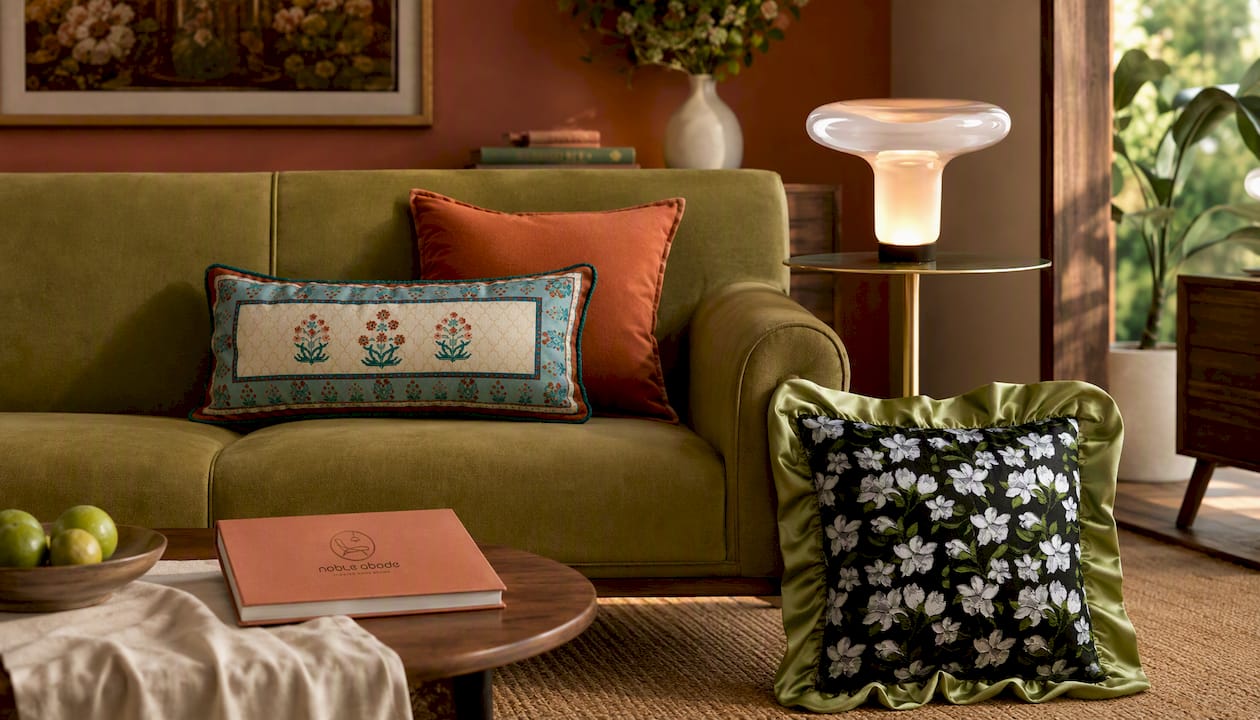
It’s designed to anchor a living room or entryway with lasting style, and it’s crafted to maintain its look over time. Pairing it with a retro luxury sofa bed or a set of light luxury retro-style pillows rounds out the room without a mismatched patchwork of styles. Check the product page for current availability and place your order today.
Sources
- EIA Electric Power Monthly
- Lamp Cost Guide for U.S. Buyers: Typical Price Ranges by Type and Feature
- Lamp Electricity Cost: 39¢ a Month for LED Bulbs (2026)
FAQ
How much does a lamp cost?
Most lamps cost between $15 and $150 depending on type and materials, with desk lamps at the lower end and floor or designer lamps often exceeding $150.
Why do lamps cost so much?
Price rises with better materials like glass or crystal, larger or lined shades, smart connectivity features, and brand craftsmanship, all of which add production and design cost beyond the basic frame and socket.
How much do lamps cost at Walmart?
Big-box retailers typically stock lamps in the $15 to $60 range, covering basic desk and table lamps with simpler materials and fewer premium finish options.
How much is a lamp worth?
A lamp’s resale or perceived value depends on brand, material, and condition. A designer glass or crystal lamp holds value far better than a mass-produced resin piece, even years after purchase.