

Timeless Interior Design: Principles That Never Go Out of Style
What makes timeless interior design work?
Timeless interior design is not a single aesthetic. It is a methodology built on balance, scale, symmetry, neutral palettes, and natural textures. Spaces designed this way remain appealing across decades because their foundations prioritize longevity over novelty. The result is a home that feels settled and considered, not locked to a particular year.
The core elements that define this approach:
- Natural materials: Stone, solid wood, marble, and linen
- Architectural details: Authentic trimwork, built-ins, and traditional molding
- Classic furniture silhouettes: English roll-arm sofas, farm tables, stately armoires
- Neutral color palettes: Warm whites, taupes, grays, and nature-inspired hues
- Layered lighting: Pendants, table lamps, and concealed ambient sources
- Proportion and balance: Scale that feels considered, not accidental
- Quality craftsmanship: Materials and construction built to outlast trends
Quality and physical durability are inseparable from aesthetic longevity. As designer Emily Henderson notes, the things that last visually are almost always the things that last physically. Cheap synthetic materials date quickly. Real wood paneling and authentic trimwork do not.
10 enduring design elements that hold up across decades
1. Natural materials: wood, stone, and marble
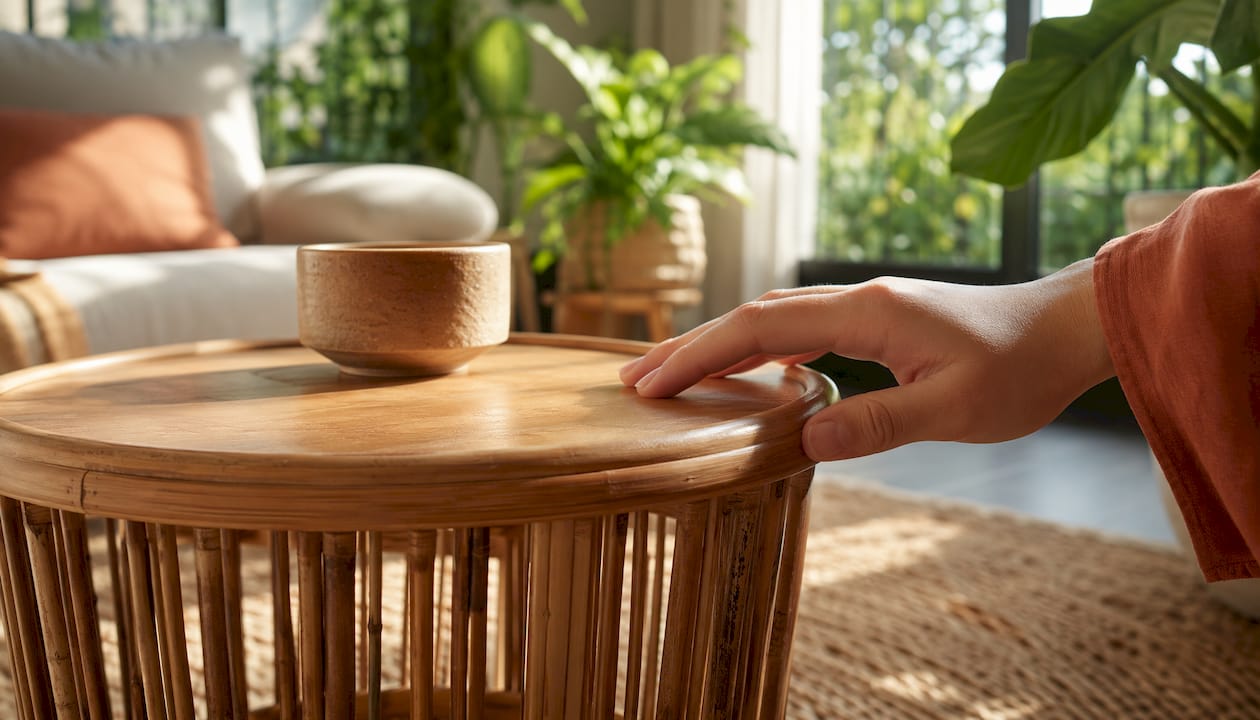
Natural materials like stone, solid wood, and linen age well because they develop patina rather than deteriorating. A soapstone countertop, a solid oak floor, or a linen sofa cover gains character with use. Marble has been a design staple since antiquity. Mid-tone wood finishes mix easily with shifting trends without feeling tied to any of them. Cerused or heavily lacquered wood finishes, by contrast, tend to read as period pieces within a decade.
2. Authentic trimwork and classical architectural details
Traditional millwork, crown molding, wainscoting, and built-in cabinetry carry an inherent sense of craftsmanship that connects to historic, stately buildings. These details add depth and visual interest that no amount of furniture rearrangement can replicate. Designer Brooke Lang notes that built-in shelving and bookcases give spaces a timeless look while providing practical storage. A well-configured built-in also works as a display surface for rotating accessories, which means it supports both permanence and flexibility. For practical guidance on layout, a cabinet configuration guide covers how to plan built-in storage that serves the space for decades.
3. Classic furniture silhouettes
English roll-arm sofas and solid wood farm tables sustain their appeal through aesthetic simplicity and quality construction. The same applies to stately armoires and display cabinets, which combine function with visual weight. Furniture with clean lines and balanced proportions outlasts pieces built around unusual curves, oversized tufts, or decorative excess. Interior designer Paloma Contreras recommends choosing traditional silhouettes for major investment pieces, then adding freshness through textiles, art, and lighting.
4. Neutral color palettes with natural textures
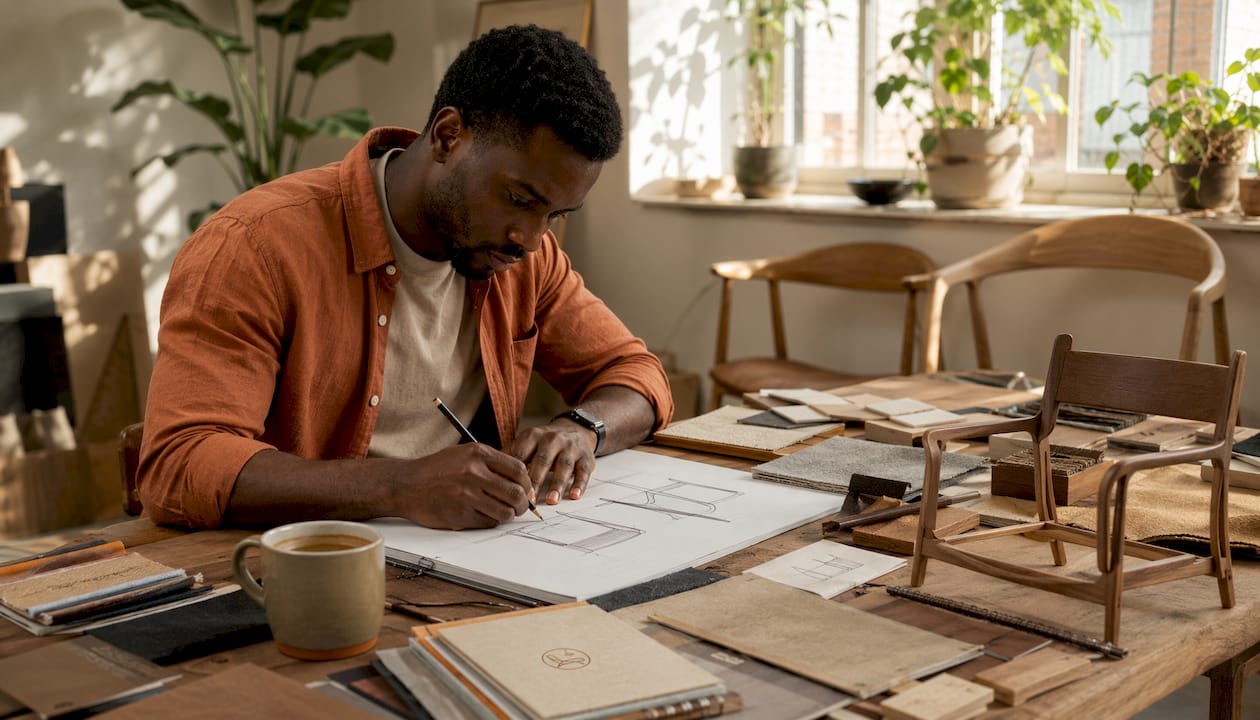
Designer Brooke Lang puts it plainly: “Prioritize a neutral palette and natural textures. Strategically using neutral shades saves you the trouble of repainting or redecorating with the trends.” Neutrals create calm environments that allow flexible updates through accessories. Natural textures like jute, boucle, and linen add visual interest without dating a space. Layering tones of tan, gray, and warm ecru provides depth without committing to anything that will feel wrong in five years.
5. Layered lighting design
Layered ambient lighting through pendants, table lamps, and concealed sources transforms how a space feels at every hour of the day. Mid-century modern fixtures, particularly Italian and Danish modern designs, work across a wide range of interior styles without feeling out of place. Good lighting is one of the few design investments that never loses its return. Designer Emily Ruff advises clients to invest in quality lighting alongside paint, noting that nothing transforms a space quite like those two elements together.
6. Eclectic salon art walls
A well-assembled gallery wall built from photographs, acquired art, and pieces collected over time carries an authenticity that a single-session purchase cannot replicate. The frames do not need to match. The arrangement does not need to be perfectly symmetrical. What makes a salon wall endure is that it looks like it grew organically, piece by piece, rather than being installed in an afternoon. Designer Elizabeth Muraro Hague describes gallery walls in small spaces as drawing the viewer in and creating an immediate sense of warmth.
7. Solid wood farm tables and wooden furniture
A solid wood dining or farm table grounds a room and allows other decor choices to feel lighter. Wood, whether in flooring, furniture, or ceiling beams, adds warmth and a lived-in quality that synthetic alternatives cannot match. Natural wood ages gracefully, developing character as years pass. It also pairs easily with shifting accent colors and materials, which means a quality farm table bought today will still anchor a room through multiple rounds of accessory updates.
8. High-contrast and checkerboard floors
Black-and-white checkerboard floors have appeared in European interiors since the 14th century and continue to feel both classic and contemporary. Designer Alex Bass describes a black-and-white checkered painted floor as “super timeless and also contemporary.” The pattern works in entryways, kitchens, and bathrooms, and it pairs with both traditional and modern furnishings without conflict. High contrast as a general principle, whether in flooring, cabinetry, or textiles, tends to read as deliberate and considered rather than trend-driven.
9. Built-in bookshelves and display storage
Built-in bookshelves add architectural permanence while functioning as a living display surface. They can be restyled endlessly as your collection and aesthetic evolve. Designer Alex Bass notes that a bookshelf “grows with you” and acts as a blank canvas for curatorial expression. From a practical standpoint, built-ins also solve storage problems without adding freestanding furniture that can feel temporary or mismatched. Investing in well-made built-ins with quality materials and a neutral finish pays dividends across decades.
10. White bedding and simple textiles
White bedding has maintained its appeal across generations of design. It reads as fresh, serene, and adaptable to any surrounding palette. Ariel Kaye, founder of the Parachute lifestyle brand, attributes its continued popularity partly to the consumer embrace of minimalism, noting that a bedroom that feels fresh and serene offers a genuine sense of calm in a busy life. Beyond bedding, simple textiles in natural fibers, linen, cotton, and wool, provide the same flexibility: they layer well, wash well, and do not announce a specific trend.
The design philosophy behind spaces that age well
The most useful framework for building a lasting interior is foundation versus layers. Foundation decisions are the permanent, high-investment elements: flooring, architectural details, major cabinetry, and structural furniture. These choices demand quality and neutrality because they are expensive and disruptive to change. Layers are everything else: paint, textiles, accessories, and art. Layers are where personality and even trend can live comfortably, because updating them is manageable.
Restraint is central to this philosophy. Overuse of ornamentation ties a piece to a specific decade. Simple lines and balanced proportions keep spaces relevant long-term. The same logic applies to color: a room built entirely around a single trending hue can feel dated almost immediately, while one anchored in neutrals with trend-led accents stays flexible.
The “collected” feel matters, too. Blending vintage and contemporary pieces creates an evolved, authentic interior that looks like it developed over time rather than being purchased all at once. Architectural Digest contributor Elizabeth Ghia describes traditional interiors as “collected and evolved,” noting that historically, furniture was inherited and passed down, creating a natural mix of eras. That layered quality is what separates a timeless room from a staged one.
Pro Tip: When evaluating any design decision, ask two questions: Is this tied to function or fashion? And will it age with use, not despite it? Decisions rooted in how a space is actually used tend to outlast those driven by visual trends.
Architecture should also lead interior decisions. The structure of a home, its age, access to natural light, and regional character all influence what will feel appropriate inside. Designer Spalding advises letting the house tell you what style it needs, noting that a contextual approach prevents the need to redo things every five years.
Practical ways to apply timeless design principles at home
The gap between knowing these principles and applying them is where most homeowners get stuck. These strategies close that gap.
- Start with a neutral, high-quality base. Walls, flooring, and major furniture pieces are the costliest to change. Invest in quality and neutrality here. Warm stone tones, hardwood floors, and well-crafted cabinetry carry a room across seasons and decades.
- Layer trends through accessories and textiles. Cushions, throws, rugs, and artwork are the most flexible elements in any interior. Bring in current colors or shapes through these lighter-touch pieces. When the mood shifts, they update without significant cost.
- Mix new and old items thoughtfully. Pair a vintage rug under a modern sofa, or set an antique side table between new armchairs. Balanced integration prevents a space from feeling either staged or purely trend-driven.
- Choose materials that age gracefully. Marble, solid wood, and hand-thrown ceramics develop patina and character over time. Natural materials improve aesthetically with use rather than simply showing wear.
- Maintain proportion, scale, and symmetry. Furniture that is too large overwhelms a space; pieces that are too small make it look sparse. Lang notes that “symmetry, scale, and proportions are critical to achieving a timeless design.”
- Edit your space. Timeless rooms feature only what is necessary. Avoid filling every surface. Give the eye a soft place to land.
- Limit trend exposure to small doses. The fastest way to date a room is to commit entirely to one trend. Incorporate current touches via smaller decor accents like pillows, artwork, and vases rather than structural changes.
Pro Tip: Before purchasing any statement piece, ask yourself how you will feel about it in ten years. If you can already imagine tiring of it, it belongs in a layer, not a foundation.
Maintenance preserves design longevity. Oiling wood, sealing stone, refreshing upholstery, and polishing metal keep quality pieces looking their best. Well-maintained natural materials outlast synthetic alternatives by decades, which reinforces the original investment in quality. For stylish home decor ideas that work within these principles, the focus should always be on pieces that earn their place through both function and form.
Noble Abode’s collection for lasting home style
Noble Abode offers decor built for exactly this kind of home. The focus is on pieces that combine clean design with premium craftsmanship, items that add character without announcing a trend.
The Nordic modern minimalist living room decor collection pairs well with neutral foundations, adding sculptural presence without visual noise. The abstract art figure decoration works as a layered accent on a bookshelf, desk, or side table, the kind of piece that fits a collected aesthetic rather than a trend-driven one. Noble Abode products are easy to maintain and built to last, which aligns directly with the principle that quality decor should improve a space over time, not require replacement every few seasons. Browse the full collection at nobleabode.shop to find pieces that hold their appeal well beyond the moment you buy them.
Key Takeaways
Timeless interior design works because it separates permanent, high-investment decisions from flexible layers, and prioritizes quality materials and proportion over novelty.
| Point | Details |
|---|---|
| Foundation vs. layers | Invest in quality and neutrality for floors, architecture, and major furniture; let accessories carry personality and trend. |
| Natural materials endure | Stone, solid wood, marble, and linen develop patina and character over time rather than deteriorating visually. |
| Restraint prevents dating | Simple lines and balanced proportions keep spaces relevant; overuse of ornamentation ties a room to a specific decade. |
| Mix eras for authenticity | Blending vintage and contemporary pieces creates a collected, evolved feel that looks more authentic than a single-era purchase. |
| Noble Abode for lasting accents | Noble Abode’s curated sculptures and minimalist decor pieces add character to neutral foundations without trend dependency. |