

Bookshelf Styling: No-Fail Formulas for a Curated Look
The fastest way to a curated bookshelf is to pick one formula and follow a short workflow: edit what’s on the shelf, group it, arrange it, then step back and adjust. You don’t need dozens of ideas. You need three or four repeatable formulas and the discipline to stop before you overcrowd the shelf.
Here are the formulas worth memorizing:
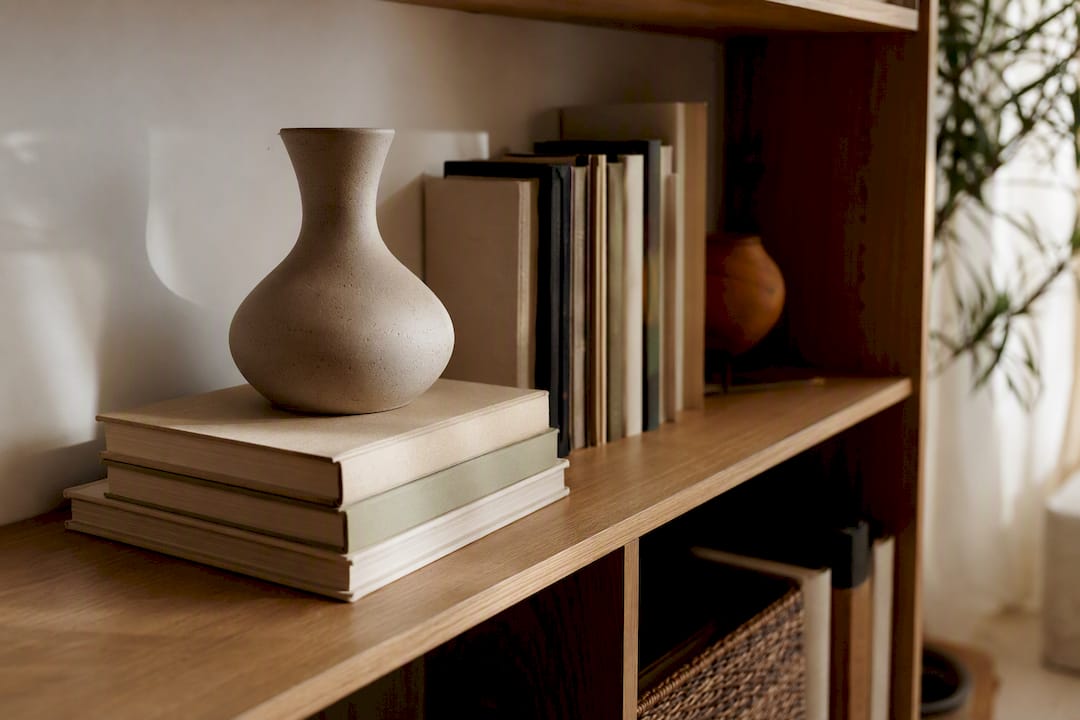
- Stacked books + object. Lay 2 to 3 books flat, then top the stack with a small sculpture, vase, or bookend.
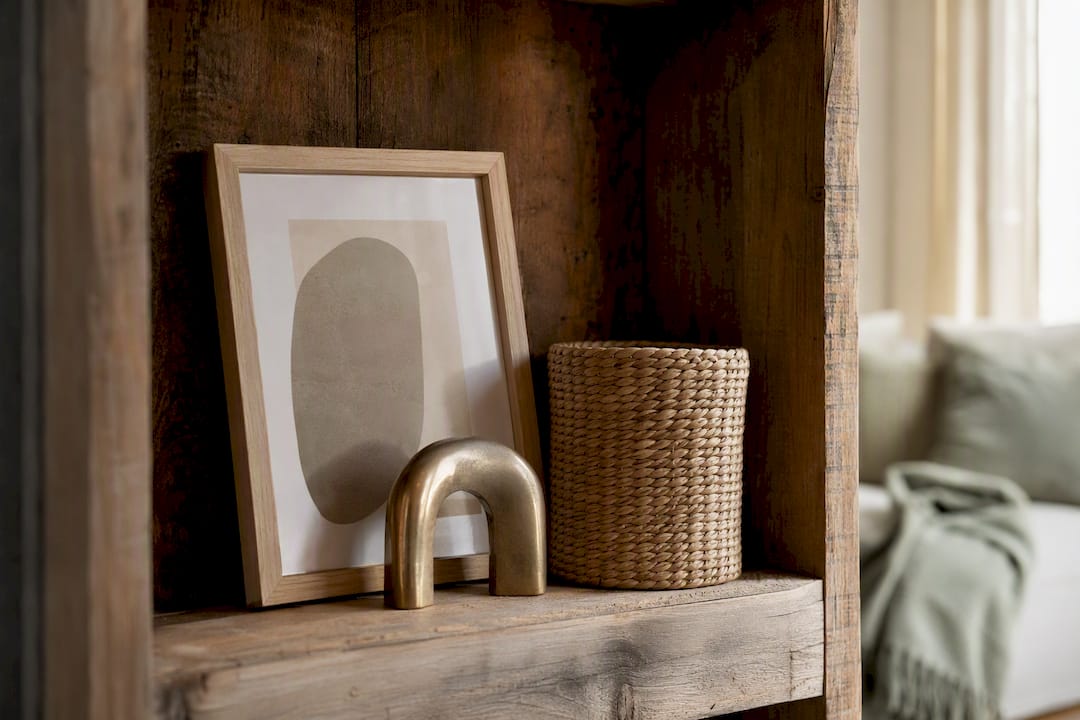
- Art leaning + layered objects. Lean a small framed piece against the back of the shelf, then layer one or two objects in front of it.
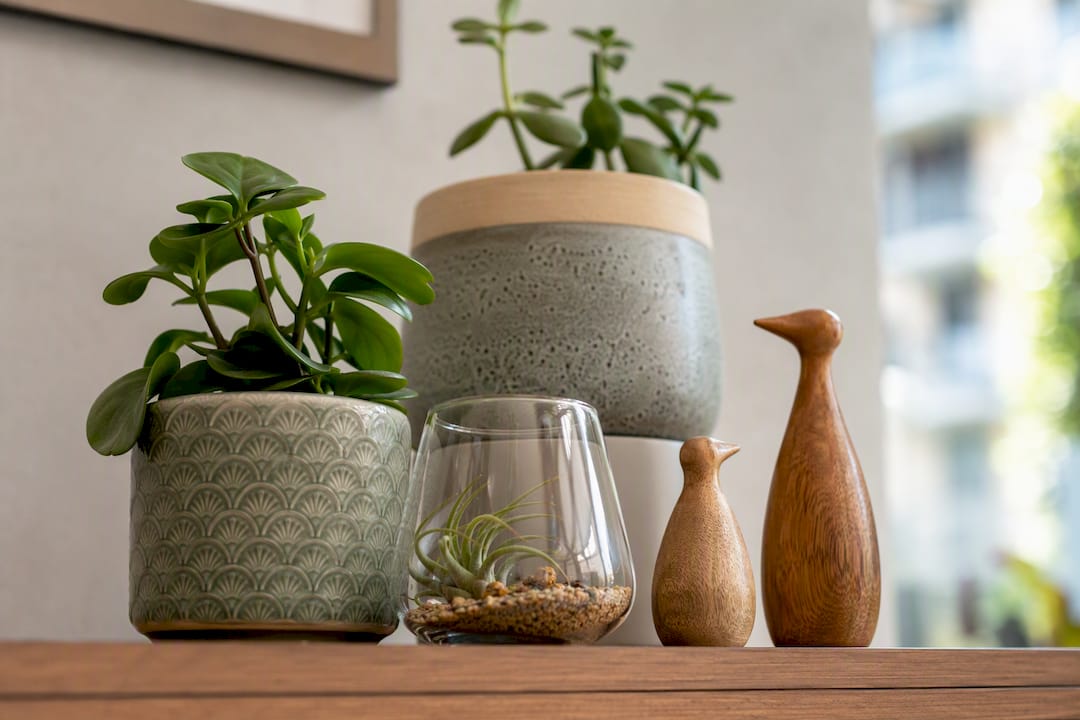
- Collection groupings. Cluster three to five related objects (varying shapes and heights) in one spot instead of scattering them.
- Vertical books flanked by an object. Stand books upright, anchored on one side by a bookend, sculpture, or short stack.
Pro Tip: Photograph each shelf on your phone before you commit. Flaws in balance and spacing show up faster on a screen than in person.
Key Takeaways
A curated bookshelf comes from picking one repeatable styling formula, keeping a roughly two-thirds books to one-third objects ratio, and editing down rather than adding more.
| Point | Details |
|---|---|
| Start with a full edit | Clear the shelf completely and sort items into keep, store, and remove piles before rebuilding. |
| Pick one formula per section | Use stacked books, leaning art, collection groupings, or flanked verticals rather than mixing randomly. |
| Follow the two-thirds ratio | Aim for about two-thirds books and one-third decorative objects on each shelf. |
| Group in odd numbers | Cluster objects in threes rather than pairs for natural visual rhythm. |
| Leave one shelf lighter | An intentionally sparse shelf gives the rest of the unit room to breathe. |
| Add one anchor piece | A considered object like those from Noble Abode can pull a formula together when nothing on hand fits. |
Table of Contents
- How Do You Style a Bookshelf Using These Formulas?
- What Design Rules Make a Bookshelf Look Cohesive?
- How Do You Style Shelves Step by Step?
- What Objects Work Best on a Styled Shelf?
- What Are the Most Common Bookshelf Styling Mistakes?
- What Do Interior Designers Say About Shelf Ratios?
- Finish the Look With a Few Considered Pieces
- Sources
- FAQ
How Do You Style a Bookshelf Using These Formulas?
Each formula solves a different problem. Stacked books create height where you have none. Leaning art adds depth to a shelf that feels flat. Collections turn clutter into a display. Flanked verticals keep tall book spines from looking like a library card catalog. Knowing which one fits your shelf saves you from trial and error.
Stacked books + object. Choose 2 to 3 hardcovers of similar height, remove the dust jackets for a cleaner look, and stack them flat. Top the stack with something with real presence, a small sculpture, a ceramic object, or a compact decorative vase. This formula works best when you need a pedestal, an empty corner or a spot beside vertical books that needs a visual anchor. Budget version: use paperbacks you already own and a found object, a smooth stone, a small dish, anything with shape.
Art leaning + layered objects. Lean a small framed print or mirror against the back wall of the shelf. In front of it, layer one taller object and one shorter one, staggered so all three are visible. This is the formula for depth. It works especially well on shelves that back onto a wall rather than sitting flush, since the leaning piece needs a few inches of breathing room. Try a postcard-sized print if you don’t own framed art yet.
Collection groupings. If you own a handful of related items, small ceramics, vintage cameras, glass bottles, group three to five of them together rather than spreading them across the unit. Vary the heights within the group so your eye travels naturally from tallest to shortest. This formula is the best fix for people who feel like they have “too much stuff and nowhere to put it.”
Vertical books flanked by object or bookend. Stand 8 to 12 books upright and anchor one end with a sculptural bookend or a single striking object. This is the formula to reach for on shelves that need to stay functional, since the books remain fully readable and accessible.
What Design Rules Make a Bookshelf Look Cohesive?
Most amateur shelves fail for one reason: no ratio. A shelf packed with books looks like storage. A shelf packed with trinkets looks like a gift shop. The two-thirds rule fixes both problems: aim for roughly two-thirds books and one-third decorative objects on any given shelf. That ratio gives the eye enough content to read as “library” while leaving room for the objects that make it feel styled rather than stocked.
Odd numbers matter more than most people expect. Grouping decorative objects in threes, rather than pairs or singles, creates a visual rhythm that feels balanced instead of static. Two objects read as matched bookends. Three read as an arrangement.
Balance has to happen across the whole unit, not shelf by shelf. A common misstep is styling each shelf as its own isolated project, which is exactly what design experts warn against: treat the bookcase as one composition and distribute visual weight so no single shelf is fighting for attention while another sits empty.
Layering does the rest of the work. Leaning art at the back, objects in front, books stacked at varying heights, all of it adds depth that a flat, single-row arrangement can’t match. Leave pockets of negative space between groupings; a shelf with no breathing room reads as cluttered no matter how nice the objects are.
Pro Tip: Repeat one material or color across two or three shelves (brass, black, or a specific book-spine color) to tie the whole unit together without making every shelf identical.
How Do You Style Shelves Step by Step?
- Clear the shelf completely. Take everything off, every book, every object. A full reset forces honest choices.
- Sort into three piles. Keep, store, and remove. This is the “complete edit” designers rely on to avoid re-cluttering the shelf with the same items you just took down.
- Choose your formula for each section of the shelf based on what you’re working with.
- Place books first, then objects. Books set the structure; objects fill the gaps.
- Step back and edit. Remove one thing. Shelves almost always look better with less, not more.
Budget 15 to 20 minutes per shelf and closer to two hours for a full bookcase, longer if you’re sorting through boxes of books you haven’t touched in years.
Before you call it done, run this quick check:
- Does your eye move naturally across the shelf, or does it snag on one crowded spot?
- Is there visible negative space somewhere on the unit?
- Does each shelf have one anchor object that draws the eye?
- Is visual weight distributed across the whole bookcase, not stacked on one or two shelves?
What Objects Work Best on a Styled Shelf?
Books are half the equation. The other half is a small rotation of object types that consistently earn their spot:
- Vases, small and sculptural rather than oversized, work as stack toppers or standalone accents.
- Sculptural objects, a figure, an abstract shape, add visual interest without needing to “match” anything.
- Framed small art or mini prints for the leaning formula.
- Low plants or a single stem to soften an otherwise hard-edged shelf.
- Trays, useful for corralling small items that would otherwise look scattered.
- Bookends, functional and decorative when chosen with some shape or texture.
- Baskets, good for hiding cords, remotes, or anything that doesn’t photograph well.
Pair a stack of books with a small vase on top, group loose trinkets on a tray instead of letting them float free, and use a stack as a literal pedestal for one standout object. If budget is tight, thrift stores and estate sales are reliable sources for ceramics and small sculptures, and curated online retailers fill in the pieces that are hard to find secondhand. One tested approach found that combining items already on hand with just one or two new accent pieces kept total spend under $50 while still transforming the look.
What Are the Most Common Bookshelf Styling Mistakes?
Overcrowding is the top offender. The fix isn’t buying storage baskets, it’s removing items and regrouping what’s left. A shelf with 15 small objects scattered edge to edge looks chaotic; the same 15 objects, edited down to 6 and grouped in threes, looks intentional.
Styling every shelf identically is the second mistake. If every shelf has the same book-stack-plus-vase combo, the eye gets bored fast. Vary density: let one shelf run heavier with books, another lean toward negative space, and let a third carry your collection grouping.
Too many small items scattered loose is the third trap. A dozen tiny trinkets spread across a shelf reads as mess. Group them onto a single tray and the same objects suddenly look curated.
Pro Tip: If a shelf feels off but you can’t pinpoint why, remove one item and step back before adding anything new. Most overcrowded shelves need subtraction, not addition.
What Do Interior Designers Say About Shelf Ratios?
Professional guidance keeps circling back to a few repeatable numbers and habits, not endless creativity. The two-thirds ratio shows up again and again, and so does a move that feels counterintuitive: leaving a shelf empty.
Designers recommend leaving one shelf intentionally empty, roughly a third to two-thirds of the way up the unit, as a visual rest point that keeps the entire bookcase from reading as cluttered.
That’s not a gap to fill later. It’s a deliberate choice that gives the rest of the shelf room to be seen.
Before calling a shelf finished, check it against this list:
- Books and objects land near a 2:1 ratio.
- At least one grouping uses three items, not two or four.
- One shelf has visibly more negative space than the others.
- Every shelf has a clear anchor object.
- The whole unit reads as one composition when you view it from across the room.
A Note on Starting Small
I get why a bookshelf can feel paralyzing. It’s one of the few surfaces in a home that’s fully on display. But styling is iterative, not permanent, and most fixes cost nothing but ten minutes and a willingness to remove something. Pick one formula, style one shelf, and build from there.
Finish the Look With a Few Considered Pieces
Every formula above works with objects you already own or find secondhand, and that’s genuinely the point. But when a shelf needs one anchor piece that pulls the whole arrangement together, a considered new object often does more work than three mismatched thrift finds. Noble Abode curates exactly that kind of piece: timeless, easy to live with, and built to be the object your eye lands on first.
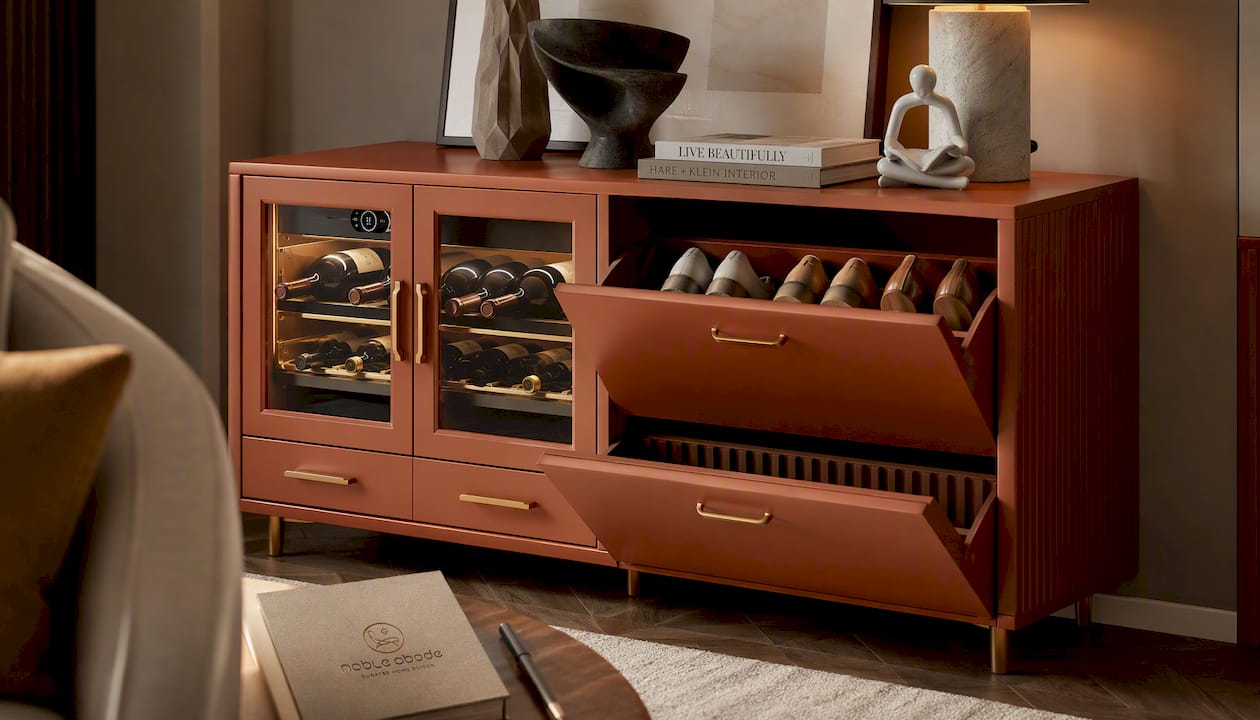
For the stacked-books-plus-object formula, an abstract art figure makes a strong pedestal topper. For the vertical-books-flanked formula, a minimalist bookend with an abstract sculpture does double duty as function and focal point. And if your stack needs a small vase rather than a sculpture, the acrylic book vase was practically made for this exact use.
None of this replaces the thrifted find or the object passed down from a relative. It just fills the gap when your shelf needs one more piece and nothing on hand quite fits. Browse the full collection to find the anchor piece your shelf is missing.
Sources
- Why you should stick to the two-thirds rule when organizing your bookcase
- 10 Common Bookshelf Styling Mistakes, According to Designers
- The Complete Guide to Bookshelf Styling
FAQ
How Do You Properly Style a Bookshelf?
Clear the shelf completely, sort items into keep, store, and remove piles, then rebuild using one formula per section, following a roughly two-thirds books to one-third objects ratio.
What Is the Bookshelf Rule?
The most widely cited rule is the two-thirds rule: about two-thirds of a shelf should be books and one-third decorative objects, which keeps the shelf from feeling either bare or cluttered.
What Are Good Items to Style a Bookshelf With?
Vases, small sculptures, framed mini art, low plants, trays, and bookends all work reliably, and pieces like an abstract art figure or a minimalist bookend make strong anchor pieces for a formula-based shelf.
What Is the Rule of Three in Shelf Styling?
Grouping decorative objects in threes, rather than twos or fours, creates a natural visual rhythm that reads as intentional instead of accidental or overly matched.