

6 Throw Pillow Fabrics Shoppers Can Trust for Kids, Pets, and Seasons
Finished throw pillows come in six fabric families: cotton and cotton blends (including canvas), linen and linen blends, velvet, bouclé and textured knits, wool, and performance synthetics like solution-dyed acrylic or olefin. The one-line rule: pick performance fabrics or cotton canvas for sofas that see kids, pets, or daily use, and save linen, velvet, or bouclé for accents and low-contact spots. Whenever upkeep matters, favor removable, washable covers over fixed ones.
TL;DR:
- Performance fabrics like solution-dyed acrylic or olefin are the best options for households with kids and pets due to their stain and fade resistance.
- Cotton and cotton blends with removable covers are durable and easy to wash, making them suitable for high-traffic or frequently handled pillows.
- Velvet covers, especially washable synthetic versions, offer a glamorous look and are increasingly practical for regular use, unlike traditional silk or cotton velvet.
- Linen and linen blends are best for low-contact areas or decorative accents because they wrinkle easily and are less durable under constant handling.
- Swapping to heavier fabrics like velvet, wool, or chenille during cooler months enhances comfort and style, while lighter cotton or linen is preferred for warm seasons.
Table of Contents
- What Are the Main Throw Pillow Fabrics?
- Which Fabrics Hold Up to Kids and Pets?
- How Do You Mix Fabrics Without Losing Durability?
- When Should You Swap Fabrics by Season?
- How Do You Choose the Right Fabric When Shopping?
- What Noble Abode Gets Right About Fabric and Function
- Noble Abode’s Picks for Every Fabric Need
- Sources
- FAQ
What Are the Main Throw Pillow Fabrics?
Cotton and cotton blends are the workhorses of finished throw pillows. Canvas and duck cotton have a tight, sturdy weave that resists sagging and tearing, and cotton blends often outperform pure cotton for wrinkle resistance and durability, which makes them a smart pick when a pillow needs to survive daily handling.
Linen and linen blends bring a relaxed, breathable texture with visible slub and a slightly rumpled finish that reads as effortless rather than sloppy. Linen wrinkles more than cotton and works best on beds, reading chairs, or anywhere it won’t take a beating.
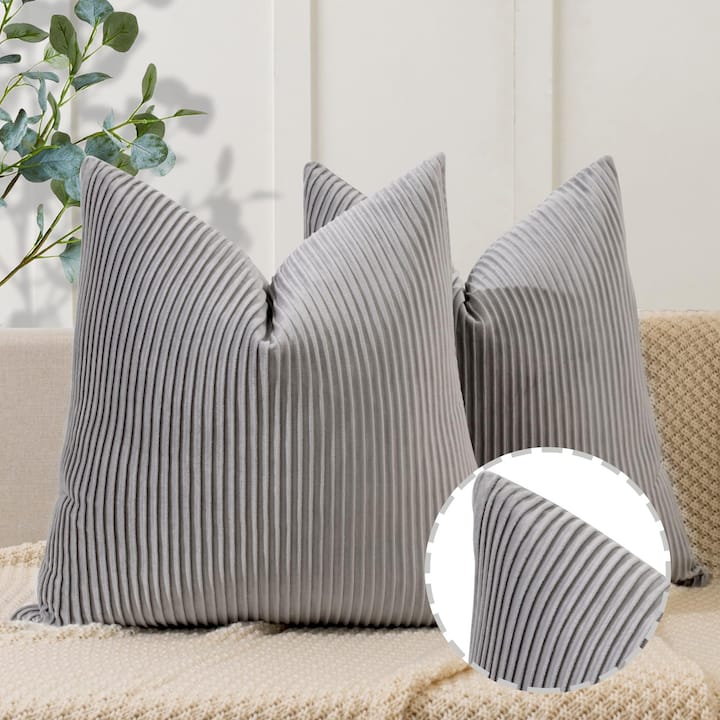
Velvet delivers the richest look on a shelf full of pillows. Traditional velvet uses a dense pile that catches light beautifully but can flatten under constant pressure, while newer washable velvet is usually built from synthetic or blended fibers rather than silk or cotton, which makes it far more forgiving for households that actually use their sofas. Traditional velvet also tends to show pet hair more readily than a tighter weave.
Bouclé and textured knits add visual weight through loops and nubby yarn rather than color or pattern. They’re striking on an accent chair but prone to snagging near rings, buckles, or claws, so they work best somewhere hands and paws rarely land.
Wool and wool blends add warmth and hold their shape well over time, though they need occasional brushing and are not machine washable in most cases. Solution-dyed acrylic and olefin, often marketed as performance or indoor-outdoor fabric, resist fading and staining better than almost anything else on this list.
- Cotton/canvas: durable, washable, all-purpose
- Linen: breathable, textured, best for lower-traffic spots
- Velvet: glamorous, seasonal, washable versions now widely available
- Bouclé/knit: textured accent, snag-prone
- Wool: warm, structured, spot-clean only
- Performance synthetics: stain-resistant, fade-resistant, built for daily use
Silk and rayon or viscose look luxurious in photos but don’t belong on a pillow that gets used. Both fibers water-spot easily and lose strength when handled often, so treat them as decorative-only picks for a bed or a bench nobody leans on.
Which Fabrics Hold Up to Kids and Pets?
Households with kids, pets, or a sofa in daily rotation need fabric that shrugs off spills and scratching. Performance polyester and solution-dyed acrylic or olefin are engineered specifically for stain resistance, colorfastness, and durability, which is why so many pet-friendly product lines lean on them. For everyday households, prioritizing removable, machine-washable covers or performance-grade fabric matters more than any single fiber choice.
Cotton blends and canvas hold their own too, especially with a removable cover and a hidden zipper that lets you strip the fabric for washing without wrestling the insert. On a product page, look for phrases like “washable velvet,” “removable cover,” “solution-dyed,” and “abrasion resistant.” Color matters as well: mid-tone shades and heathered or textured weaves hide everyday wear far better than stark solids in either direction.
A simple maintenance routine keeps most covers looking new:
- Remove the cover before washing anything.
- Check the care tag and machine wash on cold if it’s marked washable.
- Lint-roll weekly to catch pet hair before it embeds in the weave.
- Spot-clean fresh spills immediately rather than letting them set.
A partner guide on removing pet hair from furniture breaks down which tools work best on tighter versus looser weaves.
Pro Tip: Match fabric to function before color. A sofa pillow that gets tossed around nightly needs performance or canvas fabric first; a decorative bed pillow that mostly just sits there can afford to be delicate.
How Do You Mix Fabrics Without Losing Durability?
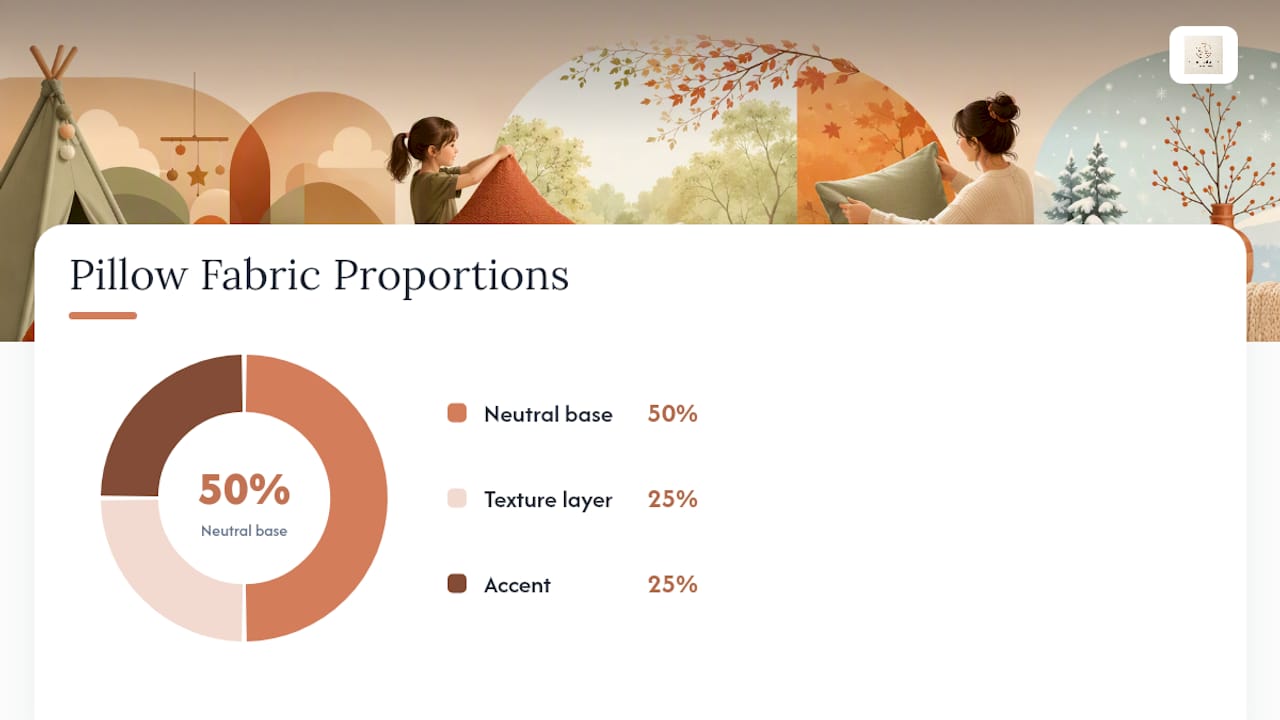
The most reliable styling formula uses three layers: a neutral base in linen or cotton, a texture layer in bouclé or knit, and an accent in velvet or plush fabric. This mirrors what designers actually do: mix textures intentionally instead of hunting for one perfect fabric.
Keep proportions uneven on purpose. Two neutral bases, one textured piece, and one accent reads more intentional than an even split, and it lets you push a delicate fabric like velvet into the least-handled corner of the arrangement.
- A linen base with a bouclé lumbar and a velvet accent: adds warmth without overwhelming a light sofa.
- Two canvas solids with one knitted chevron piece: durability with a single layer of visual texture.
- A cotton base with two velvet accents in different sizes: works when the sofa gets light use and can handle a plusher fabric up front.
When Should You Swap Fabrics by Season?
Design guidance is consistent here: reach for heavier, plush materials like velvet, chenille, or wool once the weather turns, and switch back to breathable cotton or linen for spring and summer. It’s a simple swap, but it changes how a room feels without touching the furniture.
Care depends entirely on what the tag says, not what the fabric looks like. Machine-washable covers should come off before every wash cycle; spot-clean-only fabrics like most wool and traditional velvet need a damp cloth and patience instead. Always check zipper pulls before washing, since a snagged zipper can chew through a nearby cover in the dryer.
- Unzip and remove the cover completely.
- Wash on cold, or spot-clean if the tag says so.
- Air dry when possible; heat is what kills pile and shape fastest.
- Store off-season covers flat, not folded tightly for months.
Pro Tip: Label breathable storage bags by room and season before packing away covers. It saves you from unzipping five bags in October just to find one lumbar cover.
How Do You Choose the Right Fabric When Shopping?
Ask five questions before adding a pillow to your cart: How much daily contact will it get? Does the cover come off easily? What texture does the room already have too much or too little of? Does the color hide or show wear? What insert does the seller recommend for the fill you want?
Heavy use points to performance fabric or canvas. Styling accents point to velvet or bouclé. Once you’ve answered those, run a quick scan of the product page for fiber content, washing instructions, closure type, insert recommendation, and any mention of “washable” or “solution-dyed.” A guide to fabric choices for sofa pillows walks through how placement should drive the decision.
| Fabric family | Best for |
|---|---|
| Cotton/canvas | Everyday sofa use, family rooms |
| Linen | Bedroom layering, low-traffic seating |
| Velvet (washable) | Cool-season accents, luxe styling |
| Bouclé/knit | Texture layering, accent chairs |
| Wool | Structured warmth, occasional-use spaces |
| Performance synthetic | Kids, pets, high-traffic sofas |
What Noble Abode Gets Right About Fabric and Function
Pillow covers can be grouped by how they’re meant to live in a room, not just how they photograph. A lumbar pillow guide pairs shape with fabric and insert recommendations for a reason: the wrong combination undercuts both comfort and durability. Buying fewer, better covers in fabrics matched to real use beats stocking up on trend pieces that pill or flatten within a season.
— Stephane
Noble Abode’s Picks for Every Fabric Need
Once you know which fabric family fits your space, matching it to an actual product gets a lot easier.
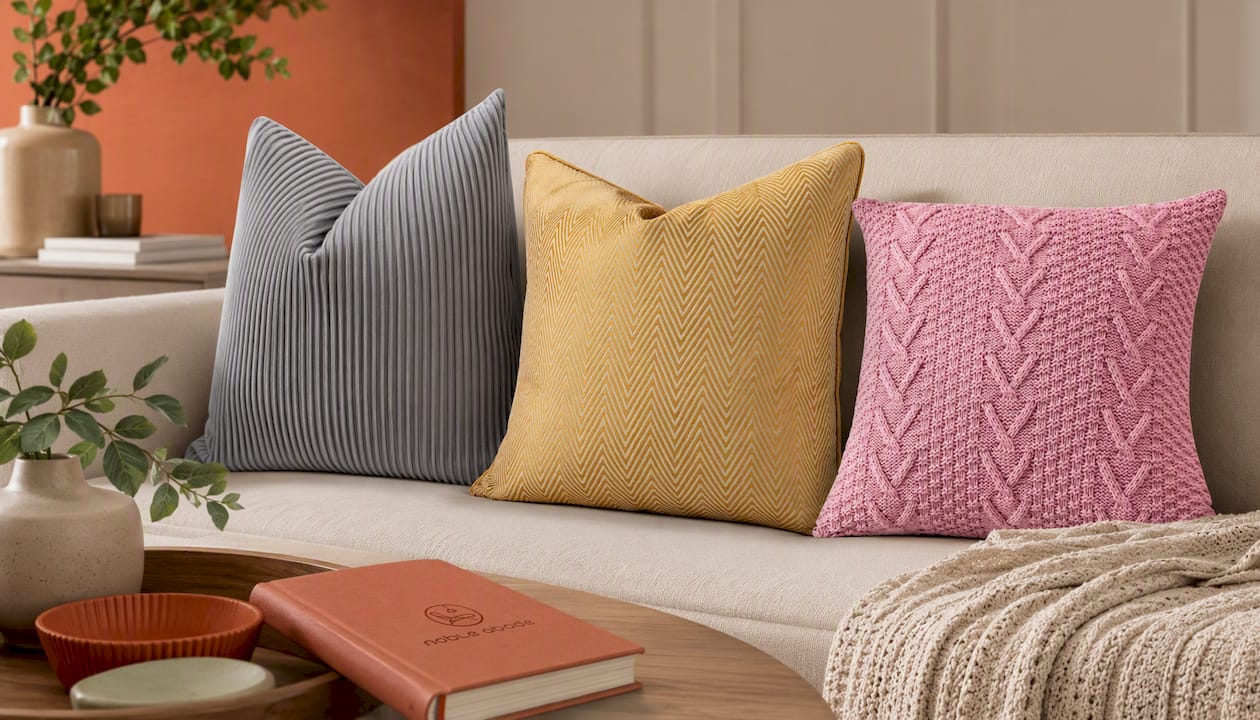
The YCOLL Dark Gray Pillow Covers bring a velvet-striped finish that reads as a cool-season upgrade for a sofa or bed, with a washable construction that holds up better than traditional velvet under regular handling. For bedroom layering or a low-traffic reading chair, the Luxury Modern European Style Cushion Pillowcase delivers a linen-blend finish with the relaxed texture that space calls for. If your room needs a textured layering piece rather than another solid, the Knitted Chevron Pattern Cushion Cover adds dimension with a removable cover that’s easy to spot-clean between seasons.
Browse the covers, check the care notes on each product page, and pick the combination that matches how your room actually gets used.
Sources
- Best pillow fabrics (Folio Fabrics)
- Guide to the Best Throw Pillow Material (TENGSHI)
- How to choose throw pillows for a living room (Living Room Street)
- The best fabric for a throw pillow cover explained (EatHealthy365)
FAQ
What Is the Most Durable Throw Pillow Fabric?
Performance polyester and solution-dyed acrylic or olefin are the most durable choices for daily use, since they’re built specifically to resist stains and fading.
Are Velvet Throw Pillow Covers Machine Washable?
Many newer velvet covers are washable because they’re made from synthetic or blended fibers rather than silk or cotton velvet, but always check the care tag first.
What Fabric Is Best for Pillows With Kids or Pets?
Removable, machine-washable covers in performance fabric or cotton canvas hold up best against spills, scratching, and frequent handling.
Should Throw Pillow Fabric Change With the Season?
Yes. Lighter cotton and linen suit spring and summer, while velvet, chenille, and wool add warmth and texture for fall and winter.
How Do I Know if a Pillow Cover Is Removable?
Check the product description for a hidden zipper or closure mention, since removable covers are what make machine washing or spot cleaning practical.